
Orphism: Color, Light, and the Painting That Almost Became Music
Orphism was the movement that tried to make painting sing. Discover Robert and Sonia Delaunay, Kupka, and the color theory that turned Cubism into pure abstraction.
Your cart is empty
Browse the store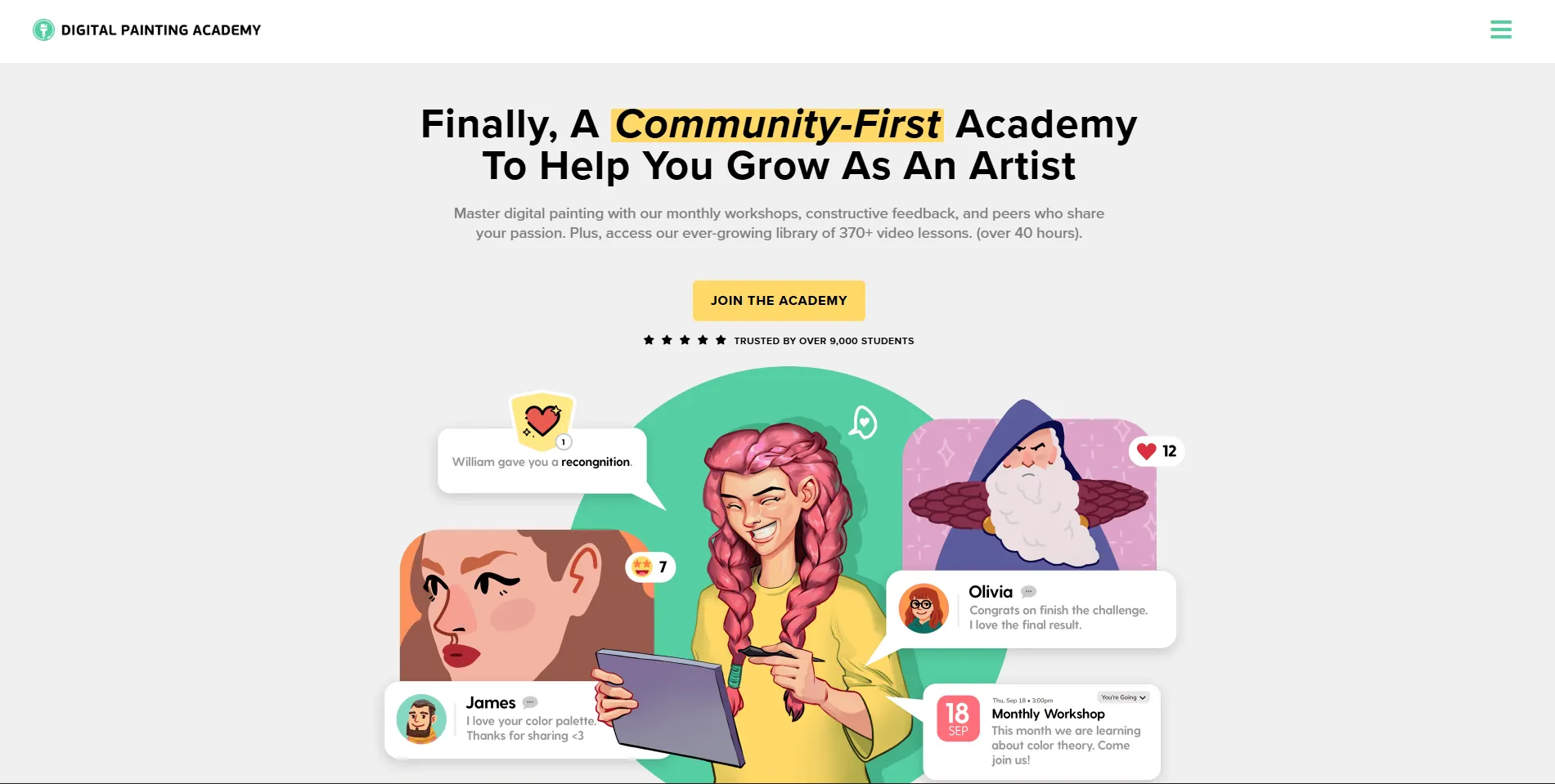
Technique-focused digital painting courses with progressive curriculum designed to master professional digital art skills.
Discover other art courses you might be interested in
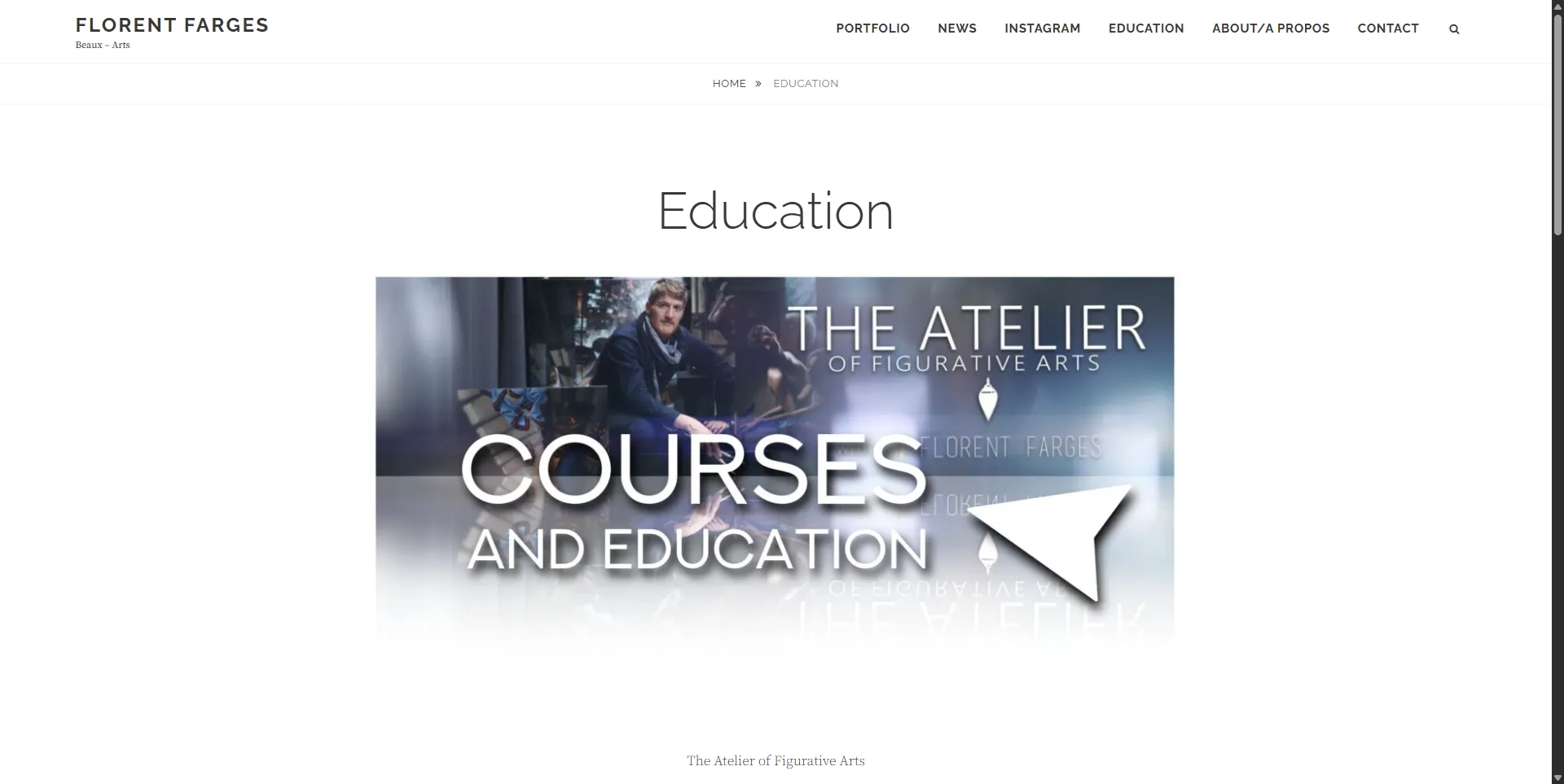
French classical realist painter Florent Farges teaches oil painting, portrait, and figure work through structured online courses grounded in the academic tradition of the French ateliers.
View details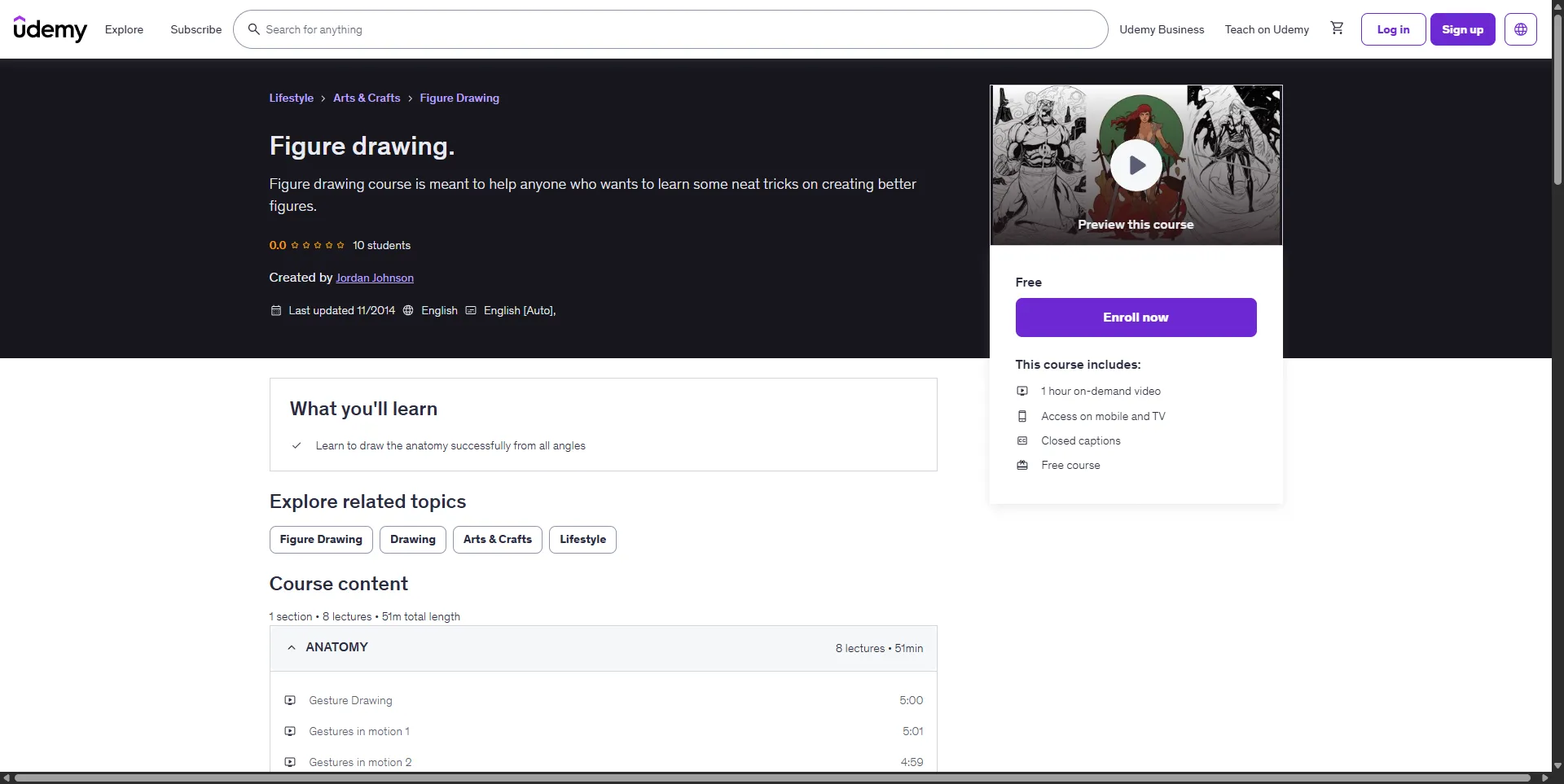
Brent Eviston's figure drawing course on Udemy and Proko. $20 on Udemy or $119 on Proko. Systematic, beginner-friendly. Honest review.
View detailsExplore definitions from our glossary that connect to this course
Analogous colors sit next to each other on the color wheel, creating natural harmony. From Monet's water lilies to autumn landscapes, learn how artists use them.
Broken color places pure, unmixed strokes side by side to blend in the eye. Learn how Monet, Van Gogh, and Seurat used this technique for brighter, vibrating color.
Read more about this topic on our blog
Orphism was the movement that tried to make painting sing. Discover Robert and Sonia Delaunay, Kupka, and the color theory that turned Cubism into pure abstraction.

Georges Seurat invented Pointillism by treating painting as a science. Discover how he applied color theory to canvas and why his work still looks unlike anything else.

Georges Seurat spent two years painting A Sunday on La Grande Jatte using a technique built on the science of color perception. This guide covers how pointillism works, who the people in the painting are, what critics said when it was first shown, and why the painting changed the course of modern art.
Most digital painting courses teach you how to use software. Paintable teaches you how to paint. The difference matters. Knowing where every brush is in Photoshop does not help you if your values are flat, your colors are muddy, and your edges are uniformly sharp. Paintable targets the specific technical skills that separate amateur digital painters from professionals: brush control, color mastery, value and light rendering, and edge management.
The platform offers two main products: the Digital Painting Academy (a subscription library with 370+ video lessons) and standalone courses sold through their courses site.
Digital Painting Academy subscription:
The Academy includes 8 learning paths with 370+ step-by-step videos, monthly deep-dive topics, live Q&A workshops, and a community with peer feedback. It is a subscription model: you keep access as long as you pay.
Standalone courses:
Portrait Artist Bundle and other premium bundles are also available through the courses store, with pricing that varies by bundle.
The Academy also offers exclusive deals and discounts on software and tools, including up to 40% off premium apps like Coolorus and Hej Stylus, and 25% off Ko-fi Gold annual memberships.
Paintable's educational philosophy is grounded in a simple observation: most digital painting problems are technique problems, not software problems. When a painting looks flat, the artist lacks value and light rendering skills. When colors look muddy, the artist has not developed sufficient understanding of digital color theory. When a painting looks overworked, the artist does not understand edge control.
By identifying these specific technical skills and teaching each one with focused instruction, Paintable helps students diagnose and address specific weaknesses rather than hoping that general practice will eventually produce improvement. This targeted approach is more efficient than broad, survey-style courses that cover everything superficially.
Brush mastery goes beyond knowing which brush to select. You learn how pressure sensitivity, opacity, flow, and blending modes interact to produce different mark-making effects, how to customize brushes for specific purposes, and how to develop intuitive brush control that makes digital painting feel as natural as traditional media.
Color theory and application addresses the specific challenges of working with color in digital space. You learn color relationships, digital mixing techniques, strategic use of color temperature for depth and atmosphere, and how professional digital painters actually make color decisions in practice.
Value and light courses develop the ability to see, understand, and render the effects of light on form. You learn to create convincing three-dimensional illusion through accurate value relationships and to use light strategically for mood and narrative.
Edge control teaches the management of hard and soft edges: when to use sharp edges for emphasis, when to soften edges for recession and atmosphere, and how to manage the overall edge hierarchy of a painting to guide the viewer's experience.
Beyond core techniques, the Academy covers portrait and figure painting (facial anatomy, skin tones, portrait lighting, expression capture) and landscape and environment painting (atmospheric perspective, natural elements, mood and narrative through composition and color).
Monthly deep-dive topics focus on single subjects like facial expressions, skin tones, and gesture drawing, giving members concentrated study material on specific challenges.
Against Marco Bucci, who sells lifetime-access courses at $79-250 each, Paintable is a subscription that gives you more content for less upfront cost but requires ongoing payments. Bucci goes deeper on color and light theory. Paintable offers more structured learning paths and a community-first approach with live Q&A sessions.
Against Ctrl+Paint, which is the other major name in digital art education, Paintable is more community-oriented with live workshops and peer feedback. Ctrl+Paint has a larger free content library and sells individual modules. Both are technique-focused rather than software-focused.
Against Digital Painting Fundamentals, which covers similar ground, Paintable offers a more structured curriculum with learning paths and a subscription model that includes ongoing content updates.
Paintable positions itself as a community-first academy. The community includes peer feedback, live Q&A workshops where you can get feedback on your work from a professional artist, and structured challenges. This is a genuine differentiator from platforms that sell video content with no social element.
The live Q&A sessions are included in the subscription at no extra cost, which is notable. Most platforms charge extra for live interaction with instructors. Paintable bundles it into the monthly fee.
The subscription model means you lose access to all content if you cancel. Unlike Marco Bucci or Proko, where you purchase courses and own them permanently, Paintable requires an active subscription. If you want lifetime access, only the standalone Bootcamp at $47 offers that.
The instructor feedback is community-based and Q&A-based, not the detailed one-on-one critique you would get from Evolve Artist or London Art College. If you need personalized, written feedback on every assignment, Paintable's model may not be sufficient.
Paintable is for beginner to intermediate digital painters who want structured learning paths, community support, and live Q&A sessions at an affordable monthly price. It is for artists who learn better in a social environment with peer feedback and group challenges. And it is for painters who want to fix specific technical weaknesses (muddy color, flat values, poor edges) through targeted instruction.
It is not for artists who want to own their courses permanently. It is not for painters who need detailed one-on-one critique on every assignment. And it is not for advanced professionals who have already mastered the core techniques Paintable teaches.
Start with the 7-day free trial. If the learning paths and community format work for you, the $45/month subscription is a solid value. If you prefer owning courses, buy the Digital Painting Bootcamp at $47 for a lifetime-access taste of their teaching style.
Quiet Canvas is a space for artists and art lovers: essays, glossary terms, tools, and curated directories to support your creative practice.
Learn more →


