Chelsea College of Arts: Fine Art on the Millbank
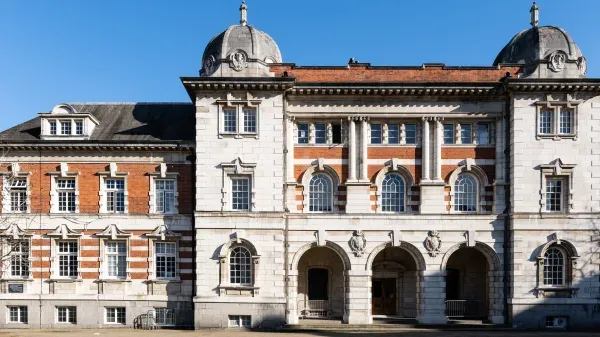
Chelsea College of Arts occupies one of the most enviable locations of any art school in the world. Its campus on John Islip Street in Pimlico sits directly beside Tate Britain, the national museum of British art, whose collection spans five centuries of British painting and sculpture from Hogarth to Hockney. Students at Chelsea walk past Tate Britain every day, and the proximity to one of the world's great art museums is not merely symbolic: it shapes how Chelsea students think about their work in relation to the history of British art and the ongoing conversation about what British art can be.
Part of the University of the Arts London, Chelsea is one of the six UAL colleges and one of the most respected fine art colleges in the United Kingdom. Founded in 1895, the college has spent more than a century developing a culture of conceptual rigor and critical engagement that has produced some of the most significant figures in British contemporary art. Anish Kapoor, Chris Ofili, Steve McQueen, Bridget Riley, and Antony Gormley all studied at Chelsea, and the school's influence on British art since the 1960s is profound.
Fine Art at Chelsea
Chelsea's BA Fine Art is a three-year program that provides a rigorous foundation in studio practice combined with serious engagement with art history and critical theory. The program does not divide students into medium-based specializations; instead, students develop their practice across painting, sculpture, drawing, performance, video, and installation, with the freedom to focus on the approaches that best serve their work.
Chelsea has a strong tradition of conceptual and critical practice, reflecting the influence of the conceptual art movement that was closely associated with the college in the 1960s and 1970s. Students are expected to be able to articulate their intentions clearly and to situate their work in relation to art history and contemporary practice. This emphasis on critical thinking alongside studio work produces graduates who are not just technically accomplished but intellectually serious.
The MA Fine Art is a one-year program that provides advanced studio practice for graduates who want to develop their work at a higher level. The program benefits from Chelsea's connections to the London art world and to the broader UAL community, and students have access to the resources and networks of a major arts university while working in a relatively focused college environment.
The MFA is a two-year program for students who want a more extended period of advanced studio development. The longer duration allows for deeper engagement with a practice and more sustained critical dialogue with peers and faculty, and the program has developed a strong reputation for producing graduates who make a genuine contribution to contemporary art.
Textile Design and Interior Design
Chelsea's BA Textile Design is one of the strongest textile programs in the United Kingdom, covering printed, woven, and mixed media textiles with a strong emphasis on both technical skill and conceptual development. The program benefits from Chelsea's broader fine art culture, which means that textile students develop their work in dialogue with painters, sculptors, and installation artists rather than in isolation from the fine art world.
The BA Interior and Spatial Design covers interior design, spatial practice, and the relationship between art and architecture. The program has a strong conceptual orientation, treating interior design as a form of critical practice rather than merely a decorative discipline, and its graduates work across a range of contexts from gallery installation to commercial interior design.
The Tate Britain Relationship
The proximity to Tate Britain is one of Chelsea's most significant practical advantages. Students have easy access to the museum's collection of British art, which provides a constant source of engagement with the history of the tradition in which they are working. The museum's program of exhibitions, lectures, and events provides additional opportunities for intellectual engagement, and the connections between Chelsea and Tate Britain create professional networking opportunities that are directly relevant to students' careers.
The Tate Exchange program, which provides space within Tate Modern for artists, educators, and communities to develop and share ideas, has involved Chelsea students and faculty in projects that connect the college's work to the broader public. This kind of engagement with major cultural institutions is part of Chelsea's culture and reflects the college's conviction that art education should be connected to the world beyond the studio.
The UAL Context
As part of the University of the Arts London, Chelsea students have access to the resources of a university that includes five other specialist arts colleges. Cross-college projects, shared facilities, and the broader UAL community give Chelsea students a wider network than a standalone college could provide. The UAL's connections to the London art and design industries provide students with access to internships, professional networks, and career opportunities across the full range of creative disciplines.
Chelsea's location in Pimlico, adjacent to the galleries of Mayfair and the cultural institutions of the South Bank, places it at the center of London's art world in a way that is genuinely useful for students developing their professional practice. The galleries of Cork Street, the auction houses of St James's, and the museums of the South Bank are all accessible by public transport, and the networks that students build during their time at Chelsea extend throughout the London art world.
Tuition and Financial Aid
Tuition for UK students at Chelsea is approximately £9,535 per year for undergraduate programs and £12,000 per year for most postgraduate programs. Overseas students pay significantly more, with undergraduate fees around £26,500 and postgraduate fees around £28,000 per year. UAL and Chelsea offer a range of scholarships and bursaries for both UK and international students, and the college actively encourages applications from students with financial need.
The Bottom Line
Chelsea College of Arts is one of the most respected fine art colleges in the United Kingdom, with a distinguished alumni list, a strong tradition of conceptual and critical practice, and a location beside Tate Britain that is genuinely unmatched. Its position within the UAL family provides access to the resources and networks of a major arts university, while the college's own culture maintains the intimacy and focus that serious studio practice requires. For artists who want to develop their practice in direct relationship with the history of British art and the energy of the London art world, Chelsea offers an education that is both rigorous and inspiring.