NGV: Free Admission, Two Buildings, and a Yayoi Kusama Blockbuster in 2026
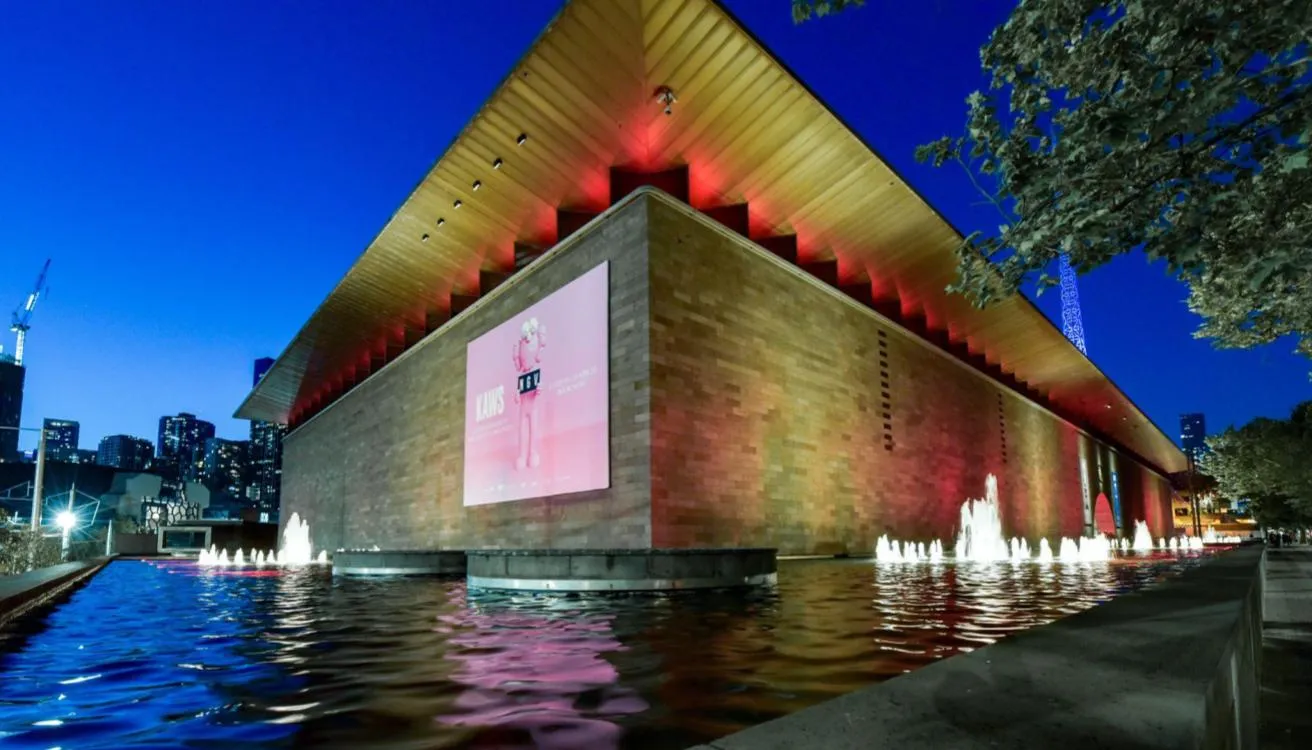
The National Gallery of Victoria operates across two sites in Melbourne. NGV International at 180 St Kilda Road holds the international collection in a Brutalist bluestone building designed by Roy Grounds and opened in 1968. The Ian Potter Centre: NGV Australia at Federation Square, opened in 2002, is dedicated exclusively to Australian art. Both are free to enter. Both are worth visiting. Together they make the NGV the most visited art museum in Australia, drawing 2.2 million visitors annually.
Founded in 1861 during the Victorian gold rush, when Melbourne was one of the wealthiest cities in the world, the NGV is the oldest and largest public art gallery in Australia. Director Tony Ellwood has built the gallery's reputation on a simple formula: free permanent collection, paid blockbuster exhibitions, and a commitment to contemporary art that few national galleries match. The Melbourne Winter Masterpieces series, running annually since 2004, brings major international exhibitions to Melbourne each winter and is the gallery's signature program.
Yayoi Kusama at NGV International (2026)
The headline exhibition for 2026 is Yayoi Kusama, opening as part of the Melbourne Winter Masterpieces series. It will be the largest Kusama exhibition ever presented in Australia, spanning the artist's seven-decade career with paintings, sculptures, installations, and the immersive Infinity Mirror Rooms that have become social media phenomena worldwide.
Kusama, now 96, is one of the most successful living artists. Her polka-dot aesthetic has transcended the art world to become a global brand. But the NGV exhibition promises to go beyond the Instagram hits, tracing her career from early abstract paintings in 1950s Japan through her New York performances of the 1960s to her recent large-scale installations.
Tickets for the Kusama exhibition will be paid (typical Winter Masterpieces pricing is AUD $30 to $38 for adults, with concessions available). The permanent collection remains free. Expect long queues and timed entry for the Infinity Mirror Rooms specifically.
NGV International: The Permanent Collection
The international collection at St Kilda Road spans European painting from the 14th century through contemporary art, plus significant Asian, Oceanic, and decorative arts holdings.
The European painting collection is the finest in Australia. Rembrandt, Tiepolo, Constable, Poussin, and other masters anchor the historical galleries. The Impressionist and Post-Impressionist holdings include works by Monet, Renoir, Cézanne, and Van Gogh, though not in the depth you will find at the National Gallery in London or the Musée d'Orsay in Paris.
The Leonard French stained-glass ceiling in the Great Hall is the building's architectural showstopper. One of the largest stained-glass ceilings in the world, it casts colored light across the space below. Lie on the floor and look up. This is the NGV's most photographed interior.
The water wall entrance, a sheet of water cascading down the glass façade, is the building's exterior signature. It has become a Melbourne landmark and meeting point.
NGV Australia: The Ian Potter Centre
At Federation Square, NGV Australia holds the most comprehensive collection of Australian art in existence, from colonial paintings through contemporary practice.
The Heidelberg School (often called Australian Impressionism) is the historical anchor. Tom Roberts, Arthur Streeton, Frederick McCubbin captured the distinctive light and landscape of Australia in the 1880s and 1890s, breaking with European academic conventions to create a visual language that remains central to Australian identity.
Sidney Nolan's Ned Kelly series is the collection's most famous single body of work. Nolan transformed the story of the bushranger Ned Kelly into a modern myth, with Kelly's distinctive homemade armor silhouetted against the vast Australian landscape. The series is displayed in a dedicated gallery and is worth the trip to Federation Square alone.
Fred Williams revolutionized Australian landscape painting in the 1960s and 1970s with an abstract approach to the bush that captured its essential character with radical economy.
Aboriginal and Torres Strait Islander Art
The NGV's commitment to Aboriginal and Torres Strait Islander art is structural, not supplementary. The collection includes traditional works (bark paintings, carved objects, woven baskets, ceremonial items) and contemporary Indigenous art, which has emerged as one of the most vital art movements of the late 20th and early 21st centuries.
Emily Kame Kngwarreye is the standout. Her abstract paintings of her Country achieved international acclaim and are represented in depth here. Rover Thomas transformed understanding of Indigenous art with austere landscape paintings. Tracey Moffatt addresses race, identity, and history through photography and video.
The Indigenous collection at NGV Australia is the place to understand why Indigenous Australian art is considered the world's oldest continuous artistic tradition, spanning at least 65,000 years.
What Needs Work
The NGV International building is showing its age. The 1968 Brutalist structure was renovated by Mario Bellini in 2003, but the gallery flow remains awkward in places. Some galleries feel like corridors rather than rooms. The building is a landmark, but it is not the ideal museum interior that Safdie achieved at the National Gallery of Canada.
Federation Square is divisive architecture. The Ian Potter Centre's deconstructed façade divides visitors. Some find it exciting. Others find it ugly. The interior galleries are well-proportioned, but the building's exterior is a matter of taste.
The European collection is good but not great. Compared to the Thyssen-Bornemisza in Madrid or the Kunsthistorisches Museum in Vienna, the NGV's European holdings are respectable but not deep. The NGV's strength is Australian and Asian art, not European.
Blockbuster exhibitions dominate programming. The Winter Masterpieces series is commercially successful but crowds the schedule. If you want to see the permanent collection quietly, avoid visiting during a blockbuster run.
How It Compares
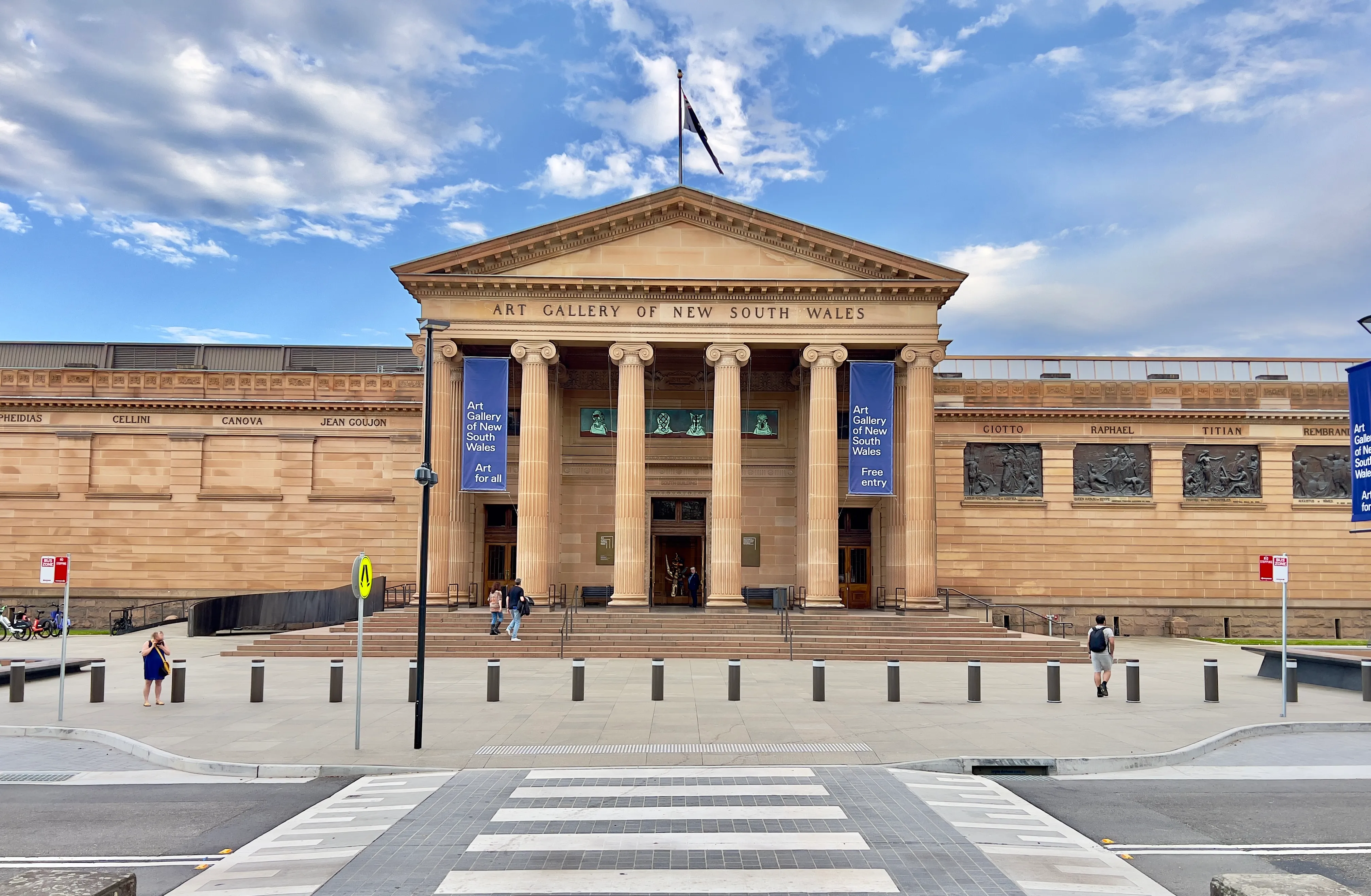
Against the Art Gallery of New South Wales in Sydney, the NGV is larger, has a stronger international collection, and runs a more ambitious exhibition program. AGNSW has the Sydney Modern expansion by SANAA, which gives it a more contemporary building. But the NGV has the depth.
Against the National Gallery of Canada, both are national galleries with free permanent admission. The NGV has a stronger blockbuster program. The NGC has a stronger Indigenous art program and a more iconic building.
Against Te Papa in Wellington, the NGV is a pure art museum while Te Papa covers art, natural history, and culture. If you want art, go to NGV. If you want to understand New Zealand as a country, go to Te Papa.
Against the Museum of Fine Arts, Boston, the NGV is free for the permanent collection while the MFA charges $30. The MFA has a stronger Japanese collection. The NGV has a stronger Australian and Indigenous collection. Both are encyclopedic in ambition.
Insider Tips for Visiting
- Visit both buildings. NGV International and NGV Australia are a 15-minute walk apart. Do International in the morning, lunch in the CBD, then Australia in the afternoon. That is a full Melbourne art day.
- Wednesday late nights at NGV International. Open until 9 PM on Wednesdays. The best time to visit if you want to avoid crowds.
- Book Kusama tickets in advance. Winter Masterpieces blockbusters sell out, especially on weekends and for the Infinity Mirror Rooms. Book at ngv.vic.gov.au before you travel.
- Start with the Great Hall at NGV International. The Leonard French ceiling is the building's signature. Lie on the floor and look up.
- At NGV Australia, go straight to the Ned Kelly galleries. The Nolan series is the collection's most famous work and is displayed in a dedicated space.
- Budget two hours per building. Each site is large enough to warrant a full visit but manageable in a half-day.
- The café at NGV International is good. Better than most museum cafés. Reasonable prices. Good spot for lunch between the two buildings.
- Combine with the Australian Centre for Contemporary Art (ACCA). ACCA is a 5-minute walk from NGV International and is always free. It shows rotating contemporary exhibitions.
- Federation Square has free Wi-Fi and events. Check what is happening at Fed Square while you are at NGV Australia. It is Melbourne's main public square.
Final Verdict: Who Is This Actually For?
The NGV is for anyone who wants to understand Australian art and see international blockbusters without paying permanent collection admission. The two-building model is unique: international art at St Kilda Road, Australian art at Federation Square. Both free. That is an extraordinary value proposition.
It is not for someone looking for the deepest European painting collection. The NGV's European holdings are good but not world-leading. And it is not for someone who dislikes crowds. During a Winter Masterpieces blockbuster, the galleries are busy and the atmosphere is more event than contemplation.
But the Aboriginal and Torres Strait Islander collection, the Heidelberg School paintings, Sidney Nolan's Ned Kelly series, and the Kusama blockbuster together make the NGV the most rewarding art museum in Australia. Free admission to both buildings is the clincher. In a world where MoMA charges $30 and the MFA Boston charges $30, the NGV gives you two buildings of world-class art for nothing.
Plan your visit at ngv.vic.gov.au. For more on Australian art and art education, explore our art schools directory or browse courses on Australian art history.