The Art and Science of Figure Drawing: Brent Eviston's Systematic Method That Actually Works
Most figure drawing instruction falls into one of two traps: it either treats gesture as a mystical talent you either have or you do not, or it drowns you in anatomical terminology that has no practical application when you are staring at a model. Brent Eviston's Art and Science of Figure Drawing avoids both traps by doing something most art instructors refuse to do: he breaks figure drawing into learnable components that build on each other in a logical sequence.
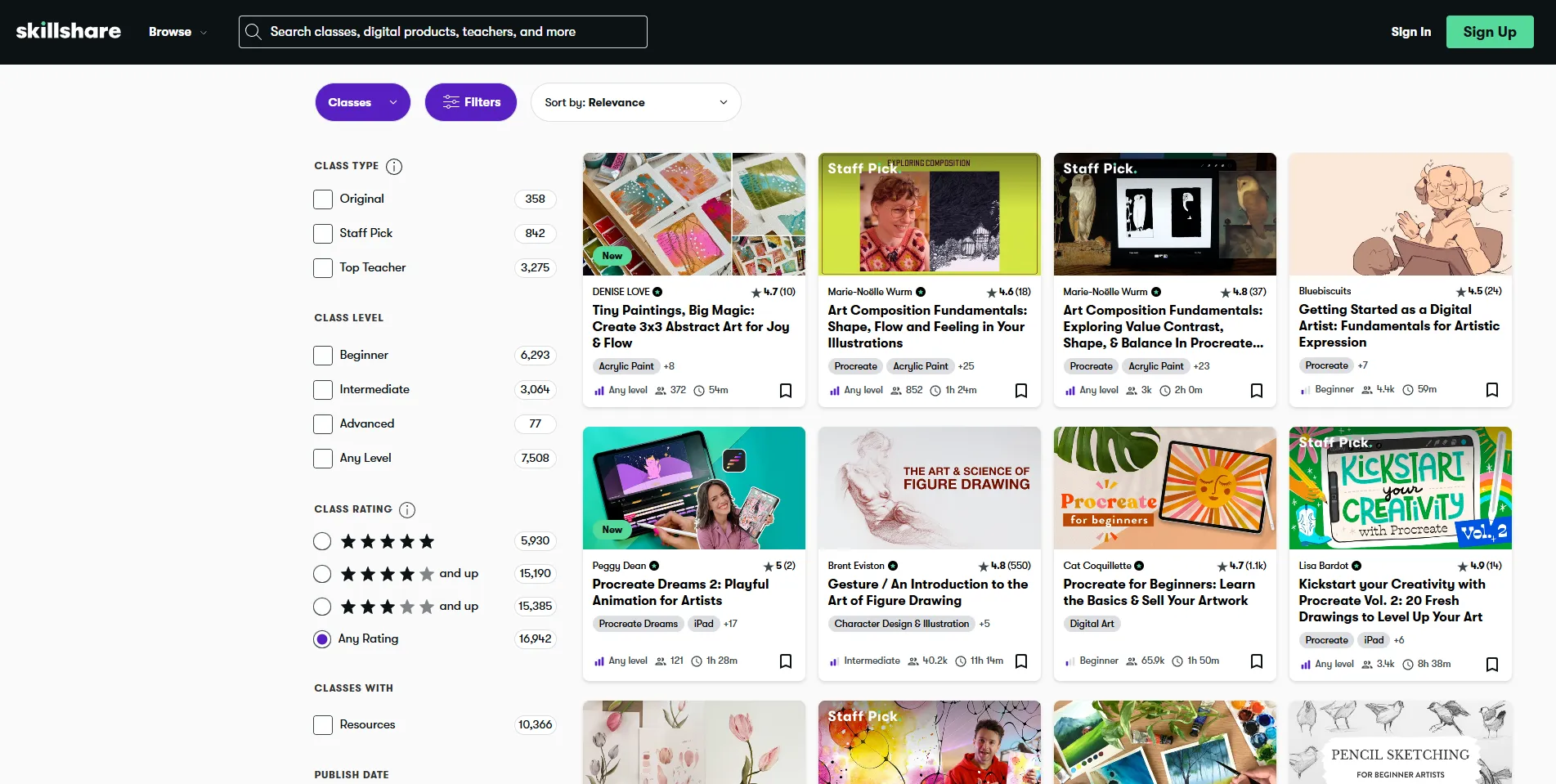
The course has over 4,400 reviews on Udemy with a 4.8 rating, and Eviston has also published two books: The Art and Science of Drawing and The Art and Science of Figure Drawing, both available at major booksellers. He has also launched The Drawing Laboratory, a structured 4-part series on his own platform that offers feedback on every drawing you create and a tailored learning path through his courses.
The question is whether a $20 Udemy course can genuinely teach you to draw the human figure. The answer depends on which version you buy and how you use it.
The Course Structure
Eviston's teaching is defined by its systematic progression. He does not present figure drawing as a mysterious skill requiring natural talent. He breaks it into components that build on each other logically, with each component taught clearly and demonstrated specifically.
The course starts with gesture drawing, the practice of capturing the essential movement and energy of a pose in quick sketches. Eviston's approach to gesture is the most practical you will find online. He teaches you to see the major line of action in a pose, identify the key rhythms that give the pose its character, and capture these essentials quickly before adding detail. The gesture section includes timed practice poses, so you are actually drawing from reference rather than just watching demonstrations.
From gesture, the course progresses through figure proportions: the canonical proportional relationships of the human body and how to apply them consistently. Eviston develops your ability to identify and correct proportional errors, which is one of the most important skills in figure drawing and one that most courses gloss over.
Basic anatomy is covered with enough depth for figure drawing without overwhelming you with medical-level detail. Eviston focuses on the anatomical knowledge that directly affects the visible surface of the figure: the major muscle groups and skeletal landmarks that create the forms you need to represent. This is anatomy for artists, not anatomy for medical students.
Value, Shading, and Foreshortening
The value and shading instruction covers how to represent three-dimensional form on a two-dimensional surface through control of light and dark. Eviston teaches the five elements of shading: highlight, light, shadow, reflected light, and cast shadow. Understanding how these elements interact allows you to render the figure convincingly in any lighting condition rather than copying the specific appearance of a particular photograph.
Foreshortening gets dedicated lessons that address one of the most challenging aspects of figure drawing: representing the figure when parts of it are pointing toward or away from the viewer. Eviston's approach is systematic and practical, providing strategies for seeing and representing foreshortened forms that make this subject manageable rather than intimidating.
Udemy vs Proko: Which Version to Buy
The course is available on two platforms, and the differences matter.
On Udemy, the GESTURE module costs $19.99 during frequent sales (listed at $119.99). You get 13.5 hours of video, 47 lectures, lifetime access, a certificate of completion, and downloadable resources including reference images and practice exercises. The other modules (Volume and Structure, Shading, and Full Figure Drawing) are sold as separate courses on Udemy, so you would need to buy each one individually to get the complete curriculum.
On Proko, the complete course costs $119 as a single purchase. You get 90 lessons totaling 30 hours and 26 minutes of video content, covering all modules in one package. The Proko version also includes livestream recordings from 2024 and 2025 where Eviston demonstrated each phase live. This is the more complete and better organized version.
If you only want to try gesture drawing and see if Eviston's teaching style works for you, the $20 Udemy course is a low-risk entry point. If you want the full curriculum, the $119 Proko version is the better value.
How This Course Compares to Competitors
The figure drawing space has several strong options, and the right choice depends on your learning style.
Proko's own figure drawing course by Stan Prokopenko is the most popular figure drawing resource online. Proko is more entertaining and has higher production value, with humor and memorable visual analogies that make anatomy stick. Eviston is more systematic and academic. If you respond to humor and high-energy teaching, Proko is the better choice. If you want a structured, methodical approach that leaves nothing unexplained, Eviston is the better choice.
New Masters Academy offers figure drawing instruction from multiple instructors including Steve Huston and Glenn Vilppu at $39 to $79/month. The breadth of instructors is an advantage, but the subscription model means you are paying monthly rather than owning the content. Eviston's course is a one-time purchase with lifetime access.
Watts Atelier Online at $99/month offers classical figure drawing training with critique from instructors. It is more expensive and more demanding, suited to artists who want atelier-level training with feedback. Eviston's course is self-paced without critique, making it better for independent learners who want to work through material at their own speed.
For absolute beginners, Drawabox covers the most basic drawing fundamentals for free. Eviston's course assumes you can hold a pencil and make marks, but it does not require prior figure drawing experience.
Insider Tips for Getting the Most Out of This Course
- Buy the Udemy gesture course first. At $20, it is the cheapest way to evaluate whether Eviston's teaching style resonates with you. If it does, upgrade to the full Proko version for $119. If it does not, you spent $20 instead of $119.
- Use the timed practice poses. The course includes practice reels with timed poses specifically chosen for each lesson. Watching the demonstrations without doing the practice is the most common mistake self-paced learners make. You need to actually draw to learn to draw.
- Do not skip the gesture section even if you have drawing experience. Eviston's approach to gesture is specific and practical. Many experienced artists report that the gesture section alone changed how they approach figure drawing.
- Consider The Drawing Laboratory for feedback. If you want Eviston's courses with personalized feedback on every drawing, his own platform offers a tailored learning path through all his courses. This costs more than Udemy but provides the critique that self-paced learning lacks.
- Pair this with Proko for anatomy. Eviston covers basic anatomy well, but if you want deep anatomical study (individual muscles, origin and insertion points, how muscles change shape during movement), Proko's anatomy course goes further.
Who Should Take This Course
Complete beginners who want to develop figure drawing skills from the ground up will find Eviston's systematic approach ideal. The course assumes no prior figure drawing experience and builds skills in a logical sequence that prevents the overwhelm that causes many beginners to quit.
Intermediate artists who have some drawing experience but feel their figure drawing lacks a solid foundation will benefit from the structured review of fundamentals. If you can draw figures but they feel inconsistent or you cannot figure out why some work and others do not, Eviston's systematic approach will identify the gaps.
Artists who have tried other figure drawing courses and found them unsatisfying are the most likely to appreciate what makes this course different. The clarity and specificity of the instruction address the common frustrations that self-taught figure drawers experience.
Who Should Look Elsewhere
If you want live feedback and critique on your figure drawings, this course is self-paced with no instructor interaction on Udemy. On Proko, the livestream recordings provide some additional context but are not interactive. For live critique, look at Watts Atelier Online or Art Students League.
If you are an advanced artist who can already draw the figure confidently from life and from imagination, this course will not challenge you. It is designed for beginners and intermediates.
If you want to learn digital figure painting rather than traditional drawing, this course focuses on traditional drawing skills. For digital painting, look at Ctrl+Paint or Digital Painting Studio.
Final Verdict: Who Is This Actually For?
The Art and Science of Figure Drawing is the most systematically taught figure drawing course available at this price point. Eviston's methodical, no-mysticism approach makes figure drawing accessible to anyone willing to put in the practice time. The $20 Udemy gesture module is one of the best values in online art education, and the $119 Proko version delivers a complete curriculum that rivals courses costing significantly more.
If you have been frustrated by figure drawing instruction that tells you to "feel the pose" without explaining how, start with the gesture course on Udemy. Eviston will not tell you to feel anything. He will tell you exactly what to look for, how to capture it, and why it works.