
Top Reddit Communities for Artists and Art Enthusiasts
Explore the best Reddit art communities to grow your skills, find inspiration, and get feedback from fellow creative artists.
Your cart is empty
Browse the store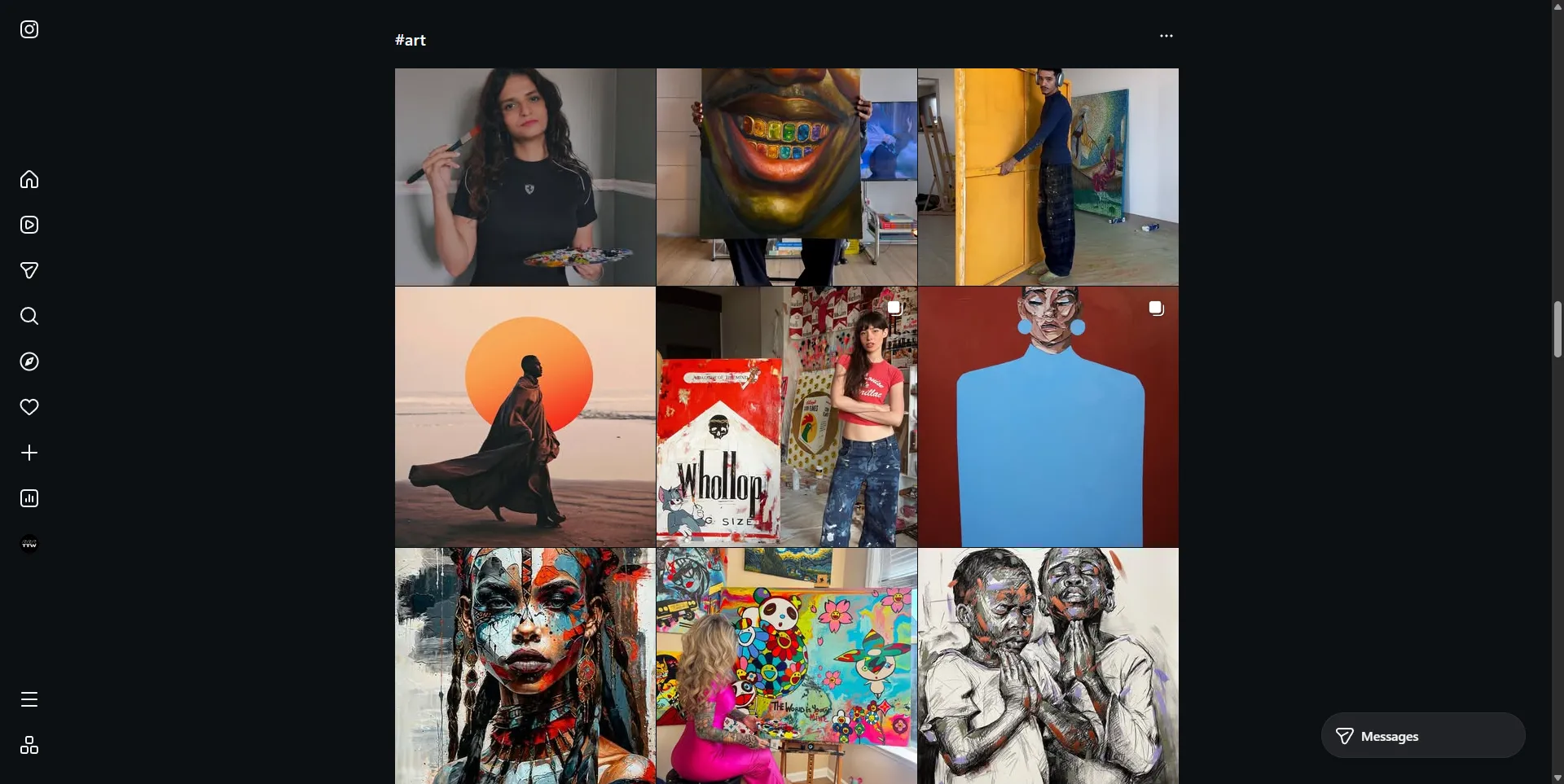
Instagram in 2026 punishes artists who post still images. The algorithm demands Reels, censors artistic nudity, and compresses images. Is it still worth your time?
Discover other art communities you might be interested in
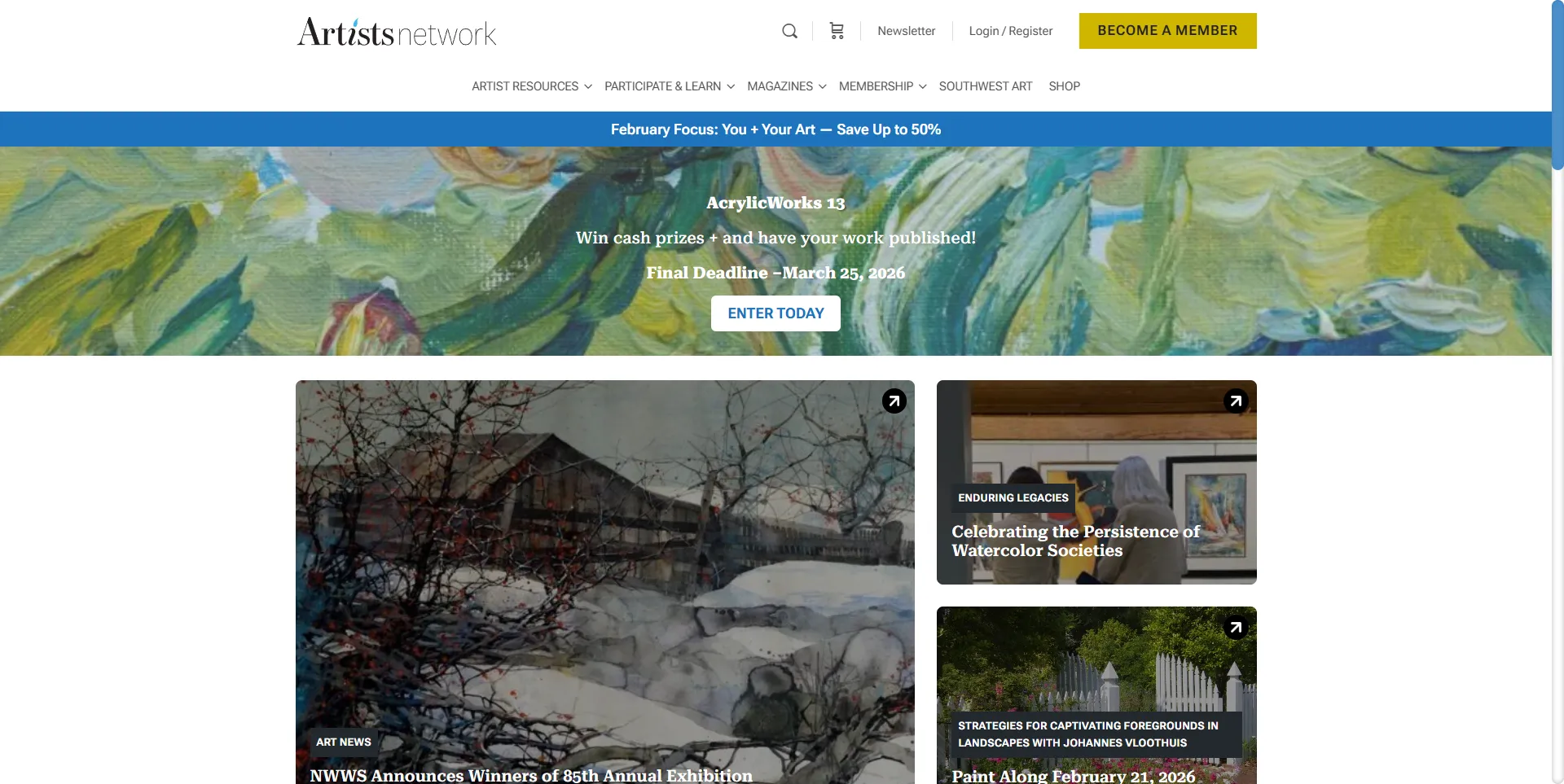
Home of The Artist's Magazine and Watercolor Artist, offering 1,000+ hours of video instruction, art competitions, and a searchable magazine archive for traditional media painters.
View details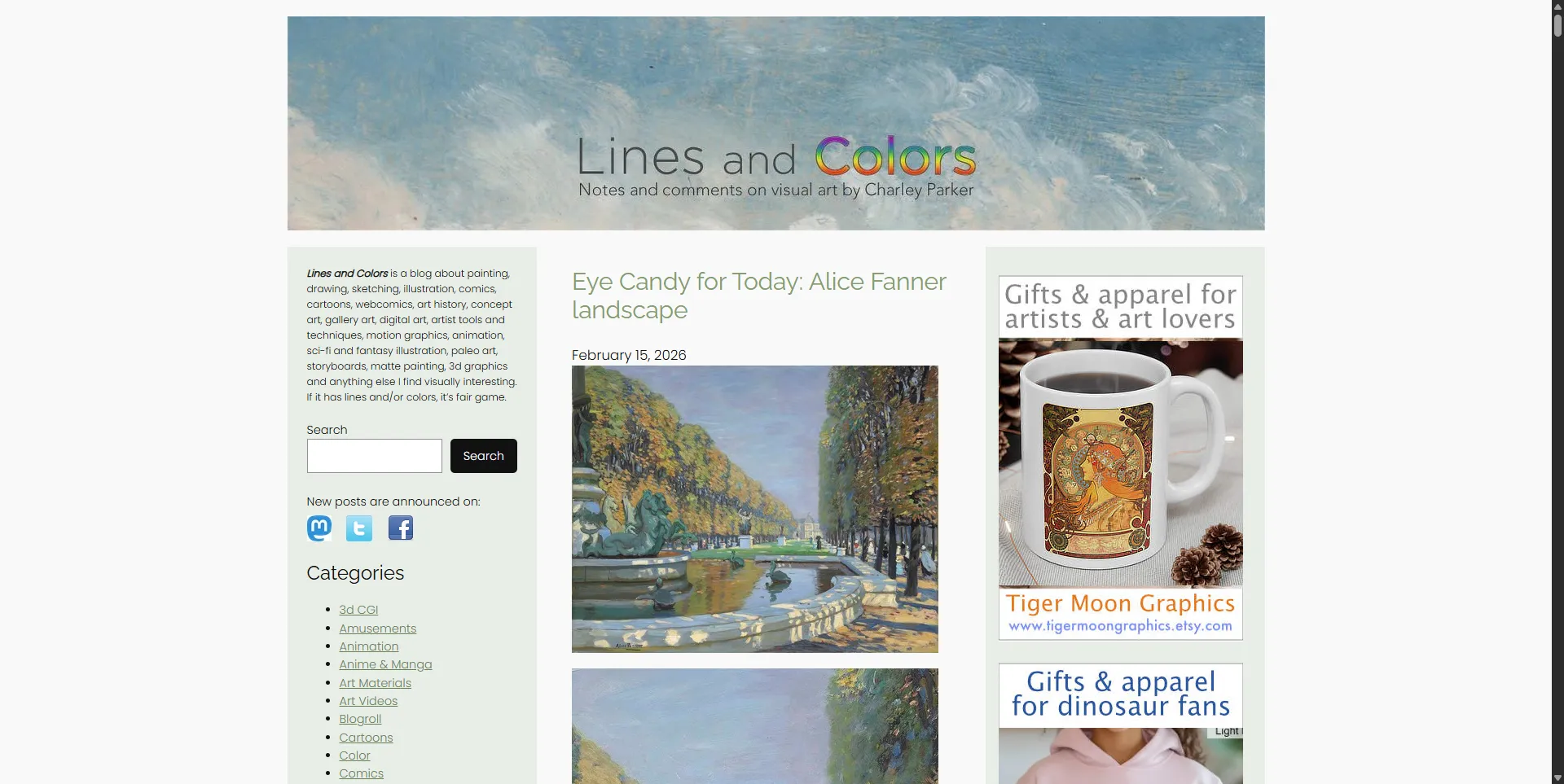
Lines and Colors by Charley Parker celebrated 20 years in 2025. Still posting in 2026 covering illustration, concept art, comics, and fine art. Honest assessment.
View detailsExplore definitions from our glossary that connect to this community
An auction house is a company that facilitates public art sales through competitive bidding. From Christie's (1766) to Sotheby's, learn how auctions shape the art market.
An artist portfolio is a curated selection of work that represents skill, range, and intent. Learn how portfolios evolved from physical dossiers to digital micro-sites.
Read more about this topic on our blog
In 2026, Instagram introduced a feature called "Your Algorithm," which lets users add and remove topics to shape what they see across the app. This is the platform's latest attempt to manage the damage caused by years of algorithm changes that have systematically deprioritised the still images that artists produce. The message from Meta has been consistent and brutal: Instagram is no longer a photo-sharing app. It is a video platform that happens to still accept photos.
For artists, this creates a painful paradox. Instagram remains the single most important platform for visual artists to share work, build audiences, and sell directly to collectors. Art directors still browse it to discover illustrators. Galleries still scout it for emerging talent. Collectors still purchase through DMs. But the platform's algorithm actively punishes the static artwork that most artists produce, forcing creators to become video producers just to maintain visibility.
Instagram's head, Adam Mosseri, publicly stated that the platform is "no longer a photo-sharing app." The algorithm now heavily favours Reels and video content. For artists who make paintings, illustrations, comics, or any form of static visual art, this means their work is shown to fewer followers unless it is wrapped in a video format.
According to reporting by the New York Times, illustrator Deb JJ Lee built a career on Instagram over seven years but saw reach stagnate as the platform shifted to video. "The changes have been nothing short of harmful to artists, especially those who make still images," Lee said. Even when Meta invited Lee to earn bonuses for posting Reels, the payout was $1,200 for 11 million views in one month, which Lee described as "even less reliable than freelance illustration."
In 2026, Meta also began cracking down on repost and archive pages, calling them low on "original value" and stripping them of algorithmic recommendation. This policy affects curation accounts that serve as discovery nodes for artists, connecting niche creators with broader audiences.
Insider tip: The artists who still grow on Instagram in 2026 do it by becoming content creators, not just artists. Time-lapse painting videos, studio tours, palette setup demonstrations, and before-and-after transformations perform well in Reels. If you refuse to make video content, your reach will be a fraction of what it could be. This is the reality of the platform in 2026.
Despite the algorithm hostility, Instagram retains advantages that no competing platform matches.
Instagram gives every artist direct access to a global audience without permission from galleries, publishers, or curators. A painter in a small town can build a following of thousands of engaged collectors. An illustrator can attract art director attention through consistent posting. This democratisation of access has created opportunities for artists who would have been invisible in the pre-social media art world.
Instagram's shopping features and direct messaging have created a viable sales channel for artists selling directly to collectors. Many successful artists report that Instagram generates more sales than gallery representation, particularly for work in the $200 to $5,000 range that appeals to individual collectors rather than institutional buyers.
Instagram has cultivated a thriving art collector community that actively seeks, purchases, and discusses original artwork. Collector accounts, art advisor profiles, and curator pages create an ecosystem of art commerce that operates outside the traditional gallery system. For artists whose work appeals to individual collectors, Instagram provides direct access to buyers.
Instagram Stories provide a casual, ephemeral format for sharing studio moments, material hauls, and behind-the-scenes glimpses. Story highlights let artists permanently showcase categorised content: tutorials, commission info, supply recommendations, studio tours. New visitors can browse these highlights when discovering an account, making them function as a mini-portfolio within the platform.
Reels are non-negotiable for artist visibility in 2026. Time-lapse painting videos, technique demonstrations, and studio process clips perform well. Artists who embrace Reels see significantly faster follower growth than those who rely solely on static image posts.
The algorithm rewards consistent posting more than occasional masterpieces. Artists who post 3 to 5 times per week build more engaged followings than those who post sporadically.
Posts showing works in progress, studio environments, and technique demonstrations consistently outperform polished final images. Audiences want to see the human behind the art.
Targeted hashtags like #oilpainting, #watercolorartist, #conceptart, #illustration help your work reach interested audiences beyond your existing followers.
The algorithm favours accounts that actively engage with other artists' content. Commenting thoughtfully, responding to comments, and participating in community conversations builds relationships and increases visibility.
Instagram's strict censorship of artistic nudity remains a significant frustration for figure painters, life drawing practitioners, and artists working with the human body. The platform's automated moderation systems routinely flag and remove classical figure studies, life drawings, and artistic nudes that would be unremarkable in any gallery or museum context. There is no reliable appeals process. Artists who work with the human figure have had their accounts shadowbanned or suspended without warning.
This censorship is not a minor inconvenience. It is a fundamental incompatibility between Instagram's community guidelines and several centuries of art tradition. If your work involves the human body, you will need to self-censor on Instagram or risk account penalties.
Against DeviantArt, Instagram has far more reach and cultural relevance but worse image quality, no real commerce tools, and active algorithmic suppression of still images. DeviantArt in 2026 is a better platform for artists who want to sell work without making video content.
Against ArtStation, Instagram is broader in audience but less targeted for professional industry networking. ArtStation is where art directors go to hire concept artists and illustrators. Instagram is where collectors go to discover artists.
Against Cara, the anti-AI art platform that gained massive traction in 2024, Instagram has scale but lacks Cara's clear pro-artist, anti-AI stance. Cara is smaller but growing fast among artists who want a platform that prioritises their interests.
Against Threads, Meta's text-and-image companion app that reached 500 million monthly active users in 2026, Instagram has more established commerce features and a larger art collector community. Threads is better for conversation and community building but lacks shopping infrastructure.
Instagram's algorithm-driven feed means that not all followers see every post, and reach fluctuates unpredictably. The platform's emphasis on engagement metrics encourages posting frequency over artistic quality. Image compression reduces the visual quality of detailed artwork, making fine details and subtle colour relationships invisible. The platform's repost crackdown threatens the curation accounts that have historically driven artist discovery.
And the fundamental problem remains: Instagram was built for photos, but Meta has decided it is a video platform now. Artists who make static work are fighting the platform's own strategy.
Artists who sell directly to collectors in the $200 to $5,000 range should maintain an active presence. The collector community and sales infrastructure are unmatched, even with the algorithm challenges.
Illustrators seeking art director attention should maintain a presence but should also invest in ArtStation or Behance as primary portfolio platforms.
Artists willing to make video content will grow faster than those who refuse. If you can film your process, create time-lapse videos, and produce Reels, Instagram remains a powerful growth tool.
Figure painters and artists working with nudity should use Instagram with caution. The censorship policies are hostile to your work, and there is no reliable way to appeal false positives.
Instagram in 2026 is a hostile environment for artists who only want to share still images, but it remains the largest audience of art collectors and industry professionals on any single platform. The artists who succeed on Instagram in 2026 are the ones who accept that they need to be content creators, not just artists. Make the Reels. Show the process. Accept the compression. Work around the censorship. The audience is there. The algorithm is not your friend, but the collectors are.
Visit instagram.com to set up your artist account. For related resources, check out our profiles on DeviantArt, ArtStation, and Cara.
Quiet Canvas is a space for artists and art lovers: essays, glossary terms, tools, and curated directories to support your creative practice.
Learn more →


