Tokyo University of the Arts: Japan's Premier Arts Institution
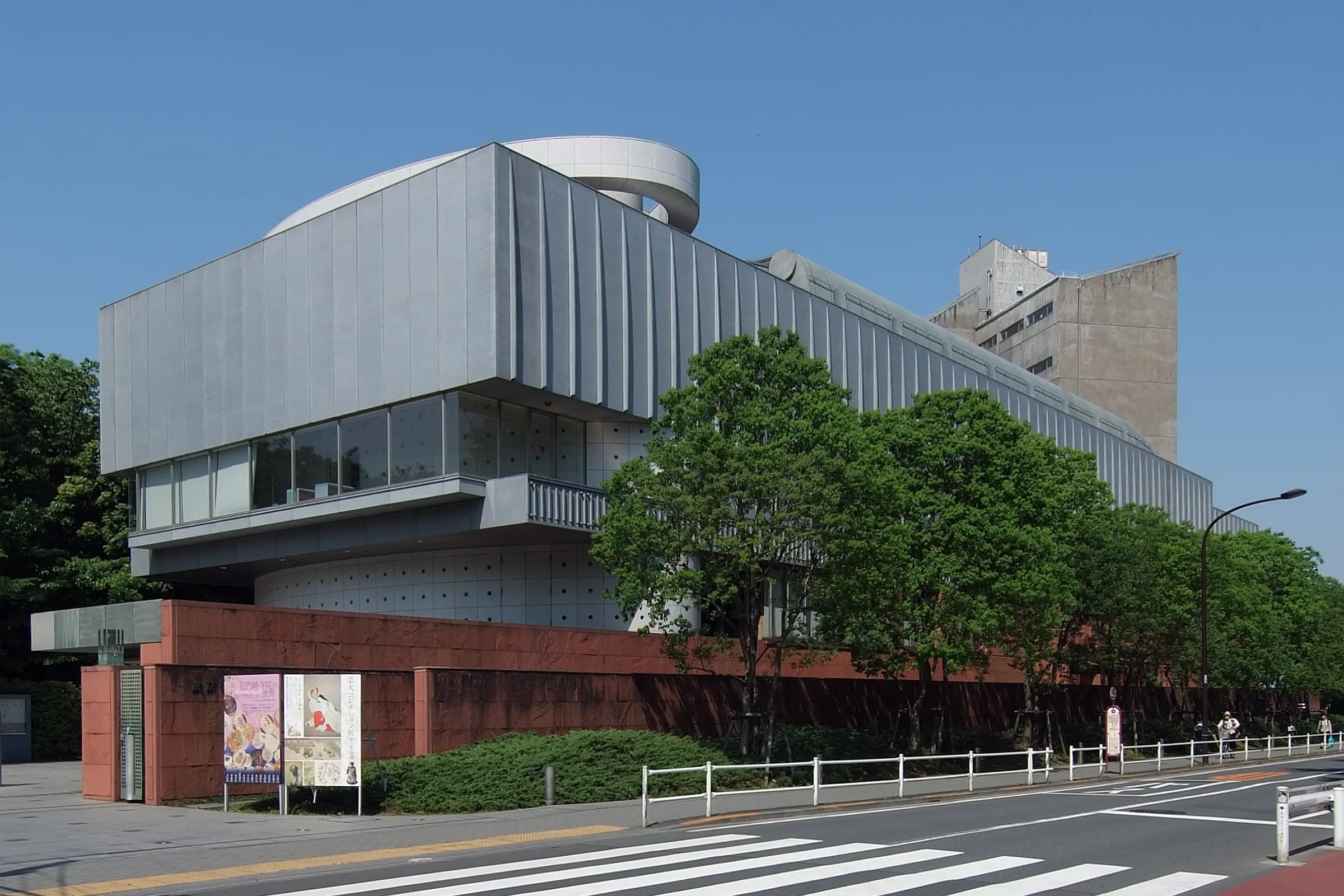
Tokyo University of the Arts, known in Japanese as Geidai (short for Tokyo Geijutsu Daigaku), holds a distinction unique in Japan: it is the country's only national arts university, established and funded by the Japanese government as the highest institution for arts education in the nation. Founded in 1887 through the merger of the Tokyo School of Fine Arts and the Tokyo School of Music, Geidai has trained generations of Japan's most significant artists, musicians, and filmmakers, and its graduates have shaped Japanese culture across every artistic discipline for more than a century.
The university's location in Ueno, one of Tokyo's great cultural districts, places it at the center of Japan's institutional art world. The Tokyo National Museum, the largest art museum in Japan with over 110,000 objects spanning Japanese, Asian, and Egyptian art, is directly adjacent to the campus. The National Museum of Western Art, designed by Le Corbusier and a UNESCO World Heritage Site, is nearby. The Ueno Zoo, the National Museum of Nature and Science, and several other cultural institutions make Ueno one of the most concentrated cultural districts in Asia, and Geidai students are embedded in this environment from their first day.
The Faculty of Fine Arts
Geidai's Faculty of Fine Arts is the heart of the university's visual arts programs, offering undergraduate and graduate degrees across a range of disciplines that is unusual in combining traditional Japanese arts with contemporary practice. The faculty includes departments in Japanese Painting (Nihonga), Oil Painting (Yoga), Sculpture, Crafts, Design, Architecture, Intermedia Art, and Conservation.
The Japanese Painting department is one of the most distinctive offerings at any art school in the world. Nihonga, the tradition of Japanese painting using mineral pigments, ink, and traditional supports including silk and washi paper, is a living practice at Geidai, taught by faculty who are recognized masters of the tradition. Students learn to grind pigments, prepare supports, and work within the formal conventions of the tradition while developing their own contemporary voice. The combination of deep technical training in a centuries-old tradition with the freedom to develop a contemporary practice creates a distinctive kind of artist that no Western art school can produce.
The Intermedia Art department is at the opposite end of the spectrum, engaging with video, performance, installation, and digital media in ways that are fully contemporary and internationally connected. The department reflects Geidai's commitment to engaging with the full range of current artistic practice, not just the traditional disciplines that defined the university's founding mission.
The Conservation department is one of the most respected in Asia, training conservators who work on Japanese and Asian art objects in museums and private collections worldwide. The program combines scientific training with deep knowledge of traditional materials and techniques, and its graduates are sought after by major museums and cultural institutions.
Takashi Murakami and the Superflat Generation
Geidai's most internationally famous alumnus is Takashi Murakami, whose Superflat theory and practice have made him one of the most discussed and commercially successful artists in the world. Murakami studied Nihonga at Geidai before developing the hybrid practice that combines traditional Japanese aesthetics with manga, anime, and Western contemporary art. His work, and the broader Superflat movement he theorized, emerged directly from the tension between traditional Japanese art training and the contemporary popular culture that surrounds it, a tension that Geidai's curriculum embodies.
Yoshitomo Nara, whose paintings and sculptures of deceptively childlike figures have made him one of the most beloved Japanese artists internationally, also studied at Geidai. The concentration of internationally significant artists among Geidai's alumni reflects the quality of the education and the stimulation of the Tokyo art world that surrounds the university.
The Graduate School
Geidai's Graduate School of Fine Arts offers MA and PhD programs across all the disciplines of the Faculty of Fine Arts, as well as in Film and Animation, which are housed in a separate facility in Yokohama. The graduate programs attract students from Japan and internationally, and the university has made significant efforts in recent years to increase its international student population and to conduct more of its programs in English.
The Film and Animation programs, based at the Yokohama campus, are among the most respected in Japan, producing graduates who work in the Japanese film and animation industries as well as in international contexts. The programs benefit from Japan's extraordinary tradition in animation, and students have access to industry connections and professional networks that are difficult to find elsewhere.
Tuition and the National University Advantage
One of Geidai's most significant practical advantages is its tuition. As a national university, Geidai charges the standard national university tuition of approximately 535,800 yen per year (roughly $3,500 USD at current exchange rates), which is a fraction of what comparable schools in the United States or the United Kingdom charge. This low tuition reflects the Japanese government's commitment to publicly funded higher education, and it makes Geidai one of the most affordable serious art schools in the world.
For international students, the combination of low tuition and the Japanese government's MEXT scholarship program, which provides full funding including tuition, living expenses, and travel to international students who are accepted, makes Geidai potentially free to attend for eligible applicants. The MEXT scholarship is highly competitive, but it represents one of the most generous funding opportunities available to international art students anywhere in the world.
The main barrier for international students is language: most programs at Geidai are conducted in Japanese, and students who do not speak Japanese will need to develop sufficient proficiency to participate in critiques, seminars, and the broader life of the university. The university offers Japanese language courses for international students, and the immersive environment of Tokyo is itself one of the most effective ways to develop language skills.
Tokyo as an Art City
Tokyo is one of the great art cities of the world, with a concentration of museums, galleries, and cultural institutions that rivals any city on earth. The Mori Art Museum, the National Art Center Tokyo, the Tokyo Metropolitan Museum of Photography, and dozens of other institutions provide a constant source of engagement with both Japanese and international contemporary art. The city's commercial gallery scene, centered in the Ginza, Roppongi, and Omotesando neighborhoods, is one of the most active in Asia.
For students interested in the intersection of traditional Japanese aesthetics and contemporary practice, Tokyo provides an environment that is simply unavailable anywhere else. The city's extraordinary concentration of traditional crafts, contemporary design, popular culture, and fine art creates a context for artistic development that is unique in the world.
The Bottom Line
Tokyo University of the Arts is Japan's most prestigious arts institution, offering programs that span traditional Japanese arts and contemporary practice at a fraction of the cost of comparable Western schools. Its location in Tokyo's Ueno cultural district, its extraordinary alumni including Takashi Murakami and Yoshitomo Nara, and the availability of MEXT scholarships for international students make it one of the most compelling art schools in the world for students who are drawn to Japanese art and culture. For artists who speak Japanese or are willing to learn, Geidai offers an educational experience that is genuinely unlike anything available in the West.