Rhode Island School of Design: Where Fine Art and Design Converge
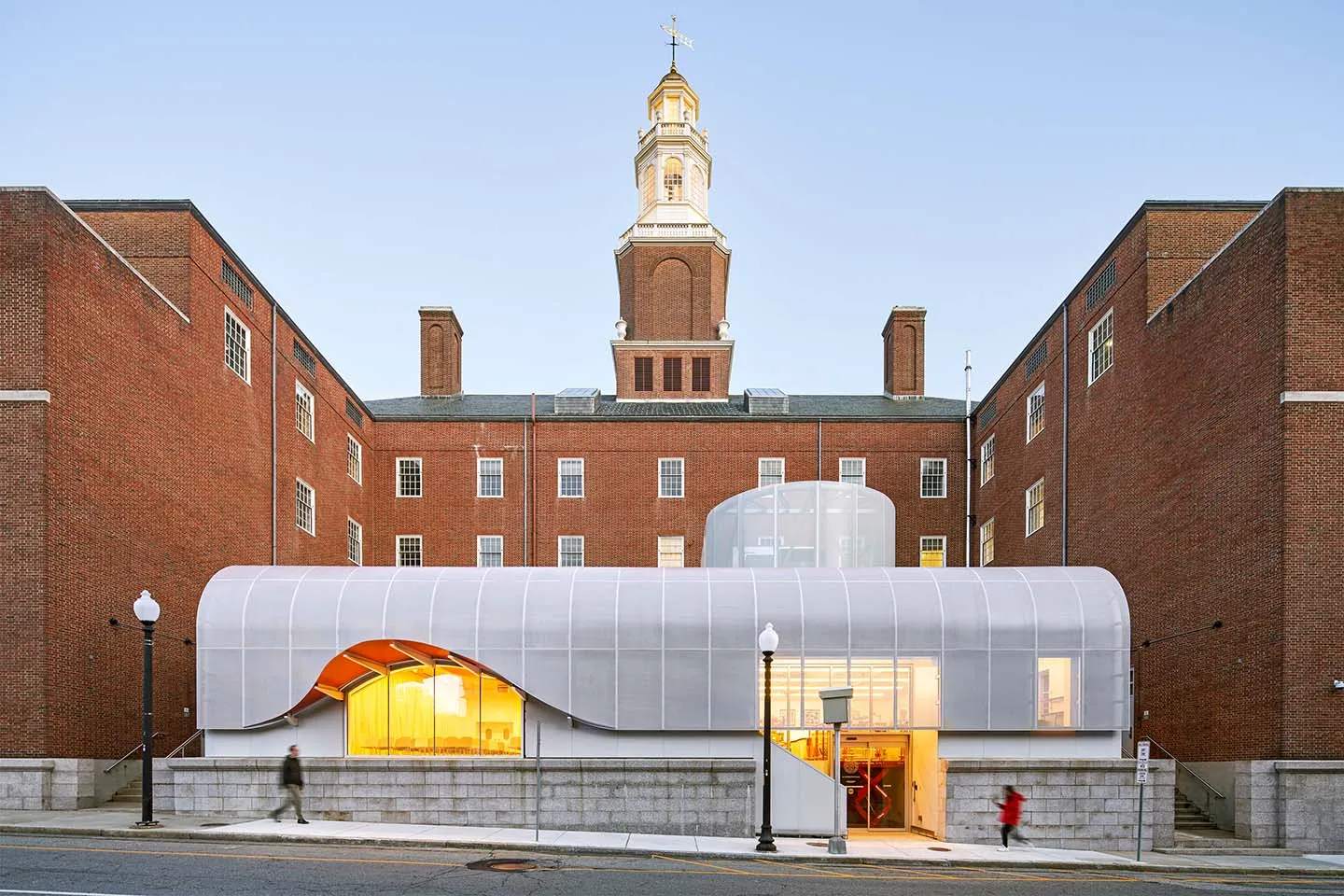
The Rhode Island School of Design, universally known as RISD (pronounced "riz-dee"), is one of the most selective and respected art and design schools in the world. Founded in 1877 in Providence, Rhode Island, RISD has spent nearly 150 years developing a distinctive educational philosophy that treats fine art and design as inseparable disciplines. With an acceptance rate of just 14% as of 2026, it ranks among the most competitive art schools in the United States, and its graduates consistently occupy prominent positions in galleries, design studios, film studios, and architecture firms worldwide.
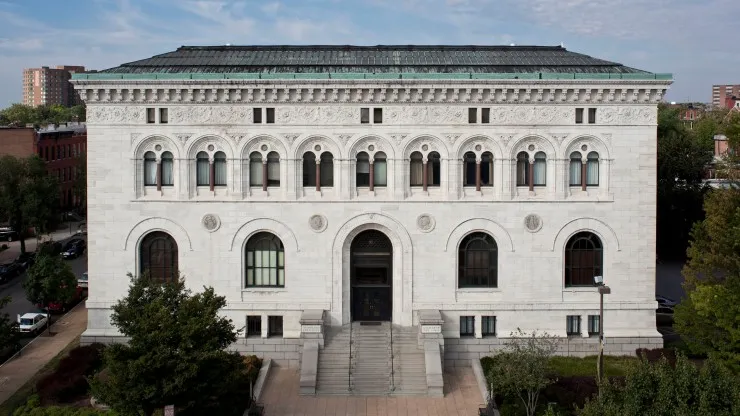
RISD operates as both a college and a museum. The RISD Museum, one of the finest university art museums in the country, houses over 100,000 objects spanning 5,000 years of art history. Students have direct access to this collection as part of their education, which means studying alongside Egyptian antiquities, European Old Masters, and contemporary works by living artists. This proximity to serious art objects shapes how RISD students think about their own practice from the first semester.
Programs and Degrees
RISD offers 16 undergraduate majors leading to the Bachelor of Fine Arts (BFA) or Bachelor of Architecture (BArch), and 16 graduate programs leading to the Master of Fine Arts (MFA), Master of Architecture (MArch), Master of Design (MDes), or Master of Arts in Teaching (MAT). The breadth of disciplines is unusual for a dedicated art school: students can study traditional fine arts like painting, sculpture, and printmaking alongside industrial design, furniture design, textiles, glass, and digital media.
The Illustration program is among the most competitive and respected in the country, producing graduates who work across editorial, publishing, animation, and gallery contexts. The Graphic Design program has a strong conceptual orientation, training designers to think critically about visual communication rather than simply execute technical tasks. The Industrial Design program places graduates at companies including Apple, IDEO, and major automotive manufacturers.
At the graduate level, the MFA in Painting and MFA in Sculpture are considered among the strongest fine arts graduate programs in the United States, attracting students who want rigorous studio practice combined with serious critical discourse. Graduate students at RISD benefit from proximity to Brown University, with which RISD has a formal partnership allowing cross-registration and joint degree programs.
The RISD-Brown Partnership
The partnership with Brown University is one of RISD's most distinctive features. Undergraduates at either institution can take courses at the other, and the two schools offer a joint degree program leading to both a BFA from RISD and a BA from Brown. This arrangement gives RISD students access to Brown's liberal arts curriculum, including courses in art history, literature, philosophy, and the sciences, while Brown students can pursue studio practice at one of the world's best art schools. The joint degree program is particularly competitive, attracting students who want to combine serious studio training with a broad humanistic education.
Foundation Year and Curriculum Structure
All RISD undergraduates begin with a Foundation Studies year that provides a common grounding in drawing, two-dimensional design, three-dimensional design, and digital tools regardless of their intended major. This foundation year is deliberately rigorous and demanding, designed to develop fundamental visual skills and to challenge students' assumptions about what art and design can be.
The foundation year also serves a social function: it creates a cohort experience that connects students across majors and builds the collaborative culture that characterises RISD's community. Students who arrive with strong technical skills in a specific medium often find the foundation year challenging precisely because it asks them to work outside their comfort zone, which is the point.
After the foundation year, students enter their chosen major and begin the more specialized studio work that defines the remaining three years of the undergraduate program. Studios are typically small, with close relationships between students and faculty who are themselves active practitioners.
Faculty and Professional Practice
RISD's faculty are working artists and designers, not career academics. The painting faculty includes artists who show in major galleries in New York, Los Angeles, and internationally. The design faculty includes practitioners who consult for major corporations and run their own studios. This commitment to hiring faculty with active professional practices means that students learn from people who are currently navigating the same professional landscape they are preparing to enter.
The faculty roster as of 2026 includes recipients of Guggenheim Fellowships, MacArthur "Genius" Grants, and National Endowment for the Arts awards, as well as designers whose work is in the permanent collections of major museums. The combination of artistic achievement and teaching commitment is what RISD looks for in its faculty, and it shows in the quality of instruction.
Tuition, Costs, and Financial Aid
Tuition at RISD for the 2025-26 academic year is approximately $57,690, with total cost of attendance including housing, meals, and supplies estimated at around $80,000. This makes RISD one of the more expensive art schools in the country, though it is comparable to other elite private institutions.
RISD offers need-based financial aid to eligible students, and approximately 60% of students receive some form of financial assistance. The school does not offer merit scholarships at the undergraduate level, meaning all financial aid is need-based. Graduate students have access to teaching assistantships, research assistantships, and fellowship funding that can significantly reduce the cost of attendance.
The investment is substantial, but RISD graduates have strong employment outcomes. According to the school's own data, the vast majority of graduates are employed or in graduate school within six months of graduation, with many working in their field of study.
The Providence Location
Providence is a genuinely good city for an art school. It is large enough to have a real cultural infrastructure, with galleries, museums, music venues, and restaurants, but small enough that the RISD community has an outsized presence. The Providence arts scene is closely connected to RISD, with many graduates choosing to stay in the city after graduation and contributing to a creative community that has made Providence one of the more interesting small cities in the Northeast.
The city's location between Boston and New York means that students have easy access to two of the world's great art cities for gallery visits, internships, and professional networking. The Amtrak Acela corridor connects Providence to both cities in under an hour, making day trips practical.
What Makes RISD Distinctive
Several things set RISD apart from other art schools. The integration of fine art and design disciplines under one roof creates a cross-pollination of ideas that is unusual in art education. The RISD Museum gives students direct access to a world-class art collection. The Brown partnership provides intellectual breadth. The faculty's commitment to active professional practice keeps the curriculum connected to the real world of art and design.
RISD is not the right school for everyone. The workload is intense, the cost is high, and the competitive admissions process means that students arrive already accomplished. But for students who are serious about developing a rigorous studio practice and who want to be part of a community of exceptionally talented peers, RISD offers an educational experience that is difficult to match.
The Bottom Line
RISD is one of the world's great art and design schools, offering rigorous studio education across a remarkable range of disciplines in a community defined by serious creative ambition. Its combination of fine art and design programs, the RISD Museum, the Brown partnership, and a faculty of active practitioners makes it a genuinely distinctive institution. For artists and designers who can gain admission and manage the financial commitment, it represents one of the most valuable educational opportunities available.