Anonymous Was A Woman: $50,000 for Women Artists the Art World Forgot
You cannot apply for this grant. That is the first thing to understand. Anonymous Was A Woman does not accept open applications. It finds you, not the other way around. And when it finds you, it hands you $50,000 with zero strings attached.
That is a dramatic increase from the $25,000 the award offered for most of its history. The bump to $50,000, combined with expanding eligibility to include gender non-conforming and trans artists alongside women-identifying artists, makes this one of the most substantial individual artist awards in the United States. Fifteen artists receive it each year. Since 1996, the program has distributed over $8 million to more than 400 artists.
The Backstory
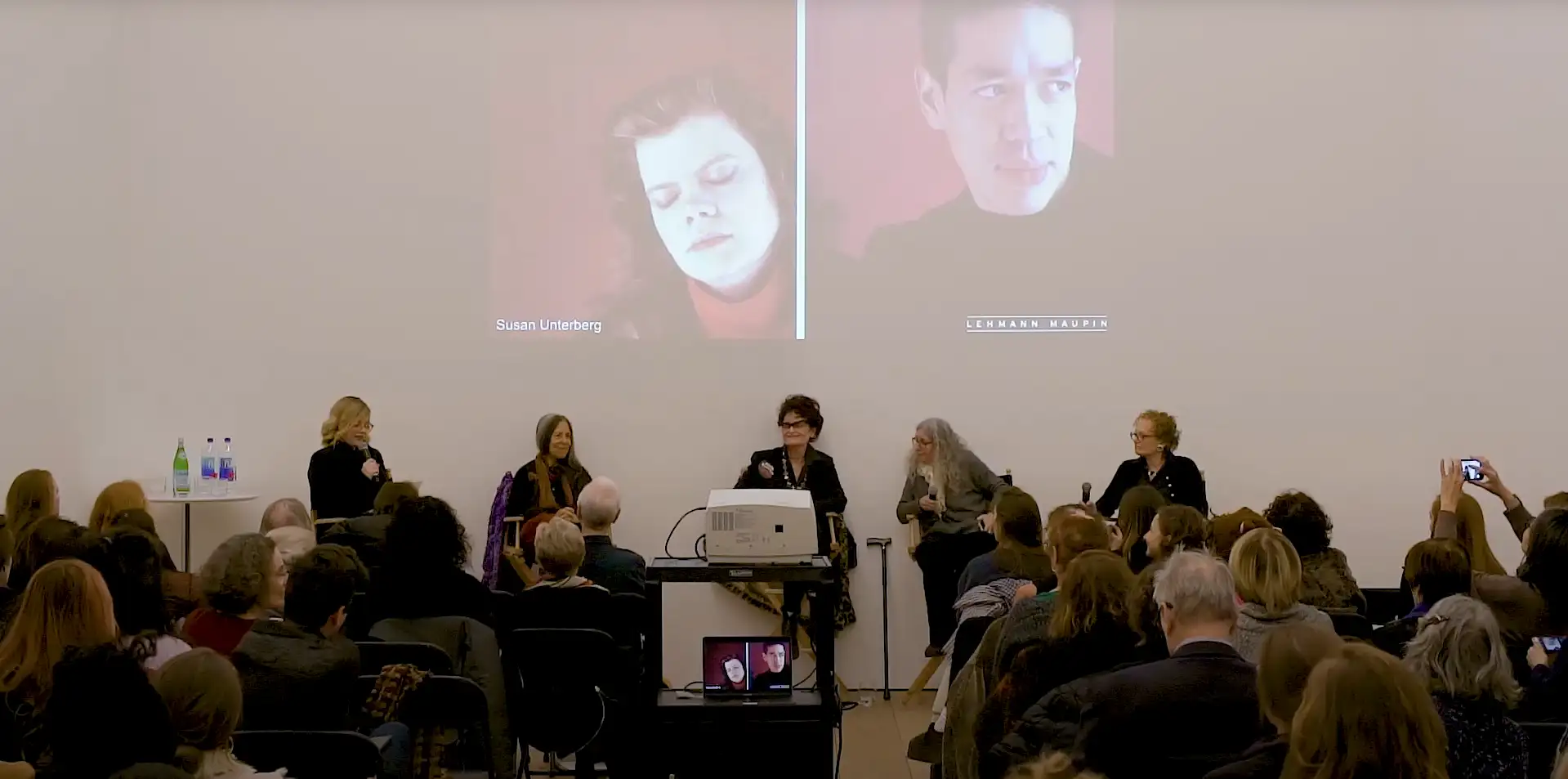
The award was founded in 1996 by Susan Unterberg, a New York-based artist who kept her identity as the funder secret for 22 years. She revealed herself publicly in 2018, partly to encourage other philanthropists to support women artists. The name comes from Virginia Woolf's A Room of One's Own, where Woolf observes that many of history's greatest creative works attributed to "Anonymous" were likely made by women whose contributions were erased.
The award was created in direct response to the National Endowment for the Arts ending its support of individual artists in the 1990s. Unterberg saw a gap and filled it with her own money. That origin story matters: this is not a corporate foundation checking a diversity box. It is an artist paying other artists, because she understood from personal experience how the art world treats women as they age.
Why Age 40 Matters
The art world has a documented problem with women artists over 40. Research from groups like the Burnaway and the Artsy platform has consistently shown that women artists receive less gallery representation, fewer museum acquisitions, and lower grant funding than male counterparts at every career stage. But the gap widens dramatically after 40.
Here is how it typically plays out: a woman artist gets attention in her 20s and 30s through MFA shows, emerging artist grants, and early gallery exhibitions. Then, as she moves into her 40s and 50s, institutional interest fades. Male artists of similar quality and career stage continue to get shows, acquisitions, and funding. The result is a generation of women artists with mature, accomplished bodies of work and no institutional support to show for it.
Anonymous Was A Woman targets this exact gap. The age requirement is not arbitrary. It is the age at which the art world statistically starts ignoring women artists.
The 2025 Cohort: Who Gets This Award
The 2025 recipients reveal the range of practices the award supports. The cohort includes:
- Candida Alvarez, a painter whose kaleidoscopic abstract works were recently the subject of an El Museo del Barrio retrospective
- Lola Flash, a photographer and ACT UP activist whose work is now in the collection of the Museum of Modern Art
- Park McArthur, a conceptual artist exploring themes of access and disability, who staged concurrent surveys at museums in Vienna and Germany
- Narcissister, a performance artist whose neo-burlesque work upends fixed notions of identity
- Sonya Kelliher-Combs, a sculptor included in "An Indigenous Present" at the ICA Boston
- Cecelia Condit, a video artist subverting traditional notions of female representation
The 2025 cohort ranges in age from 41 to 83. They work in painting, collage, sculpture, installation, performance, photography, film, and video. This is not an award for a single medium or aesthetic. It is an award for artists who have been doing serious work for decades and deserve financial recognition for it.
Compare this to the Joan Mitchell Foundation Grant, which offers $15,000 to painters and sculptors, or the Pollock-Krasner Foundation Grant, which varies in amount but requires an open application. Anonymous Was A Woman gives more money, covers more disciplines, and removes the application barrier entirely.
How the Nomination Process Works
Since you cannot apply, the only way to receive this award is to be nominated by an invited nominator. Nominators are curators, critics, artists, and arts professionals selected for their knowledge of contemporary art and their commitment to identifying excellence across geographic, stylistic, and institutional boundaries.
The nominator pool changes regularly, which prevents the award from concentrating within any single network or aesthetic community. A jury of art historians, curators, artists, and writers then selects the final 15 recipients from the nominated pool.
This process has a specific purpose: it reaches artists who have stopped applying for grants. Many women artists who have experienced the mid-career gap become discouraged by application processes that seem to favor younger, more institutionally connected applicants. By removing the application barrier, Anonymous Was A Woman ensures that artists who have been overlooked by the mainstream system still get considered.
The Environmental Art Grants
In addition to the main award, Anonymous Was A Woman runs a separate Environmental Art Grants program administered by the New York Foundation for the Arts (NYFA). This program provides grants of up to $20,000 for environmental art projects led by women-identifying artists in the United States and U.S. Territories.
Unlike the main award, the Environmental Art Grants do accept open applications. The 2026 deadline was April 7, 2026, with grants covering projects from August 2026 to August 2027. The program distributed over $300,000 in 2024. If you are a woman artist working on environmental themes (climate change, regeneration, eco-social engagement, interspecies relationships, bioplastics, clean energy), this is a separate funding stream worth exploring. You can also check the NYFA Fiscal Sponsorship program for additional NYFA-administered support.
What $50,000 Unrestricted Actually Means
The award is completely unrestricted. No required outcomes, no mandated exhibitions, no progress reports, no final reports. Recipients use the money for whatever they need: studio rent, materials, travel, living expenses, medical bills, or simply the breathing room to focus on ambitious work without financial anxiety.
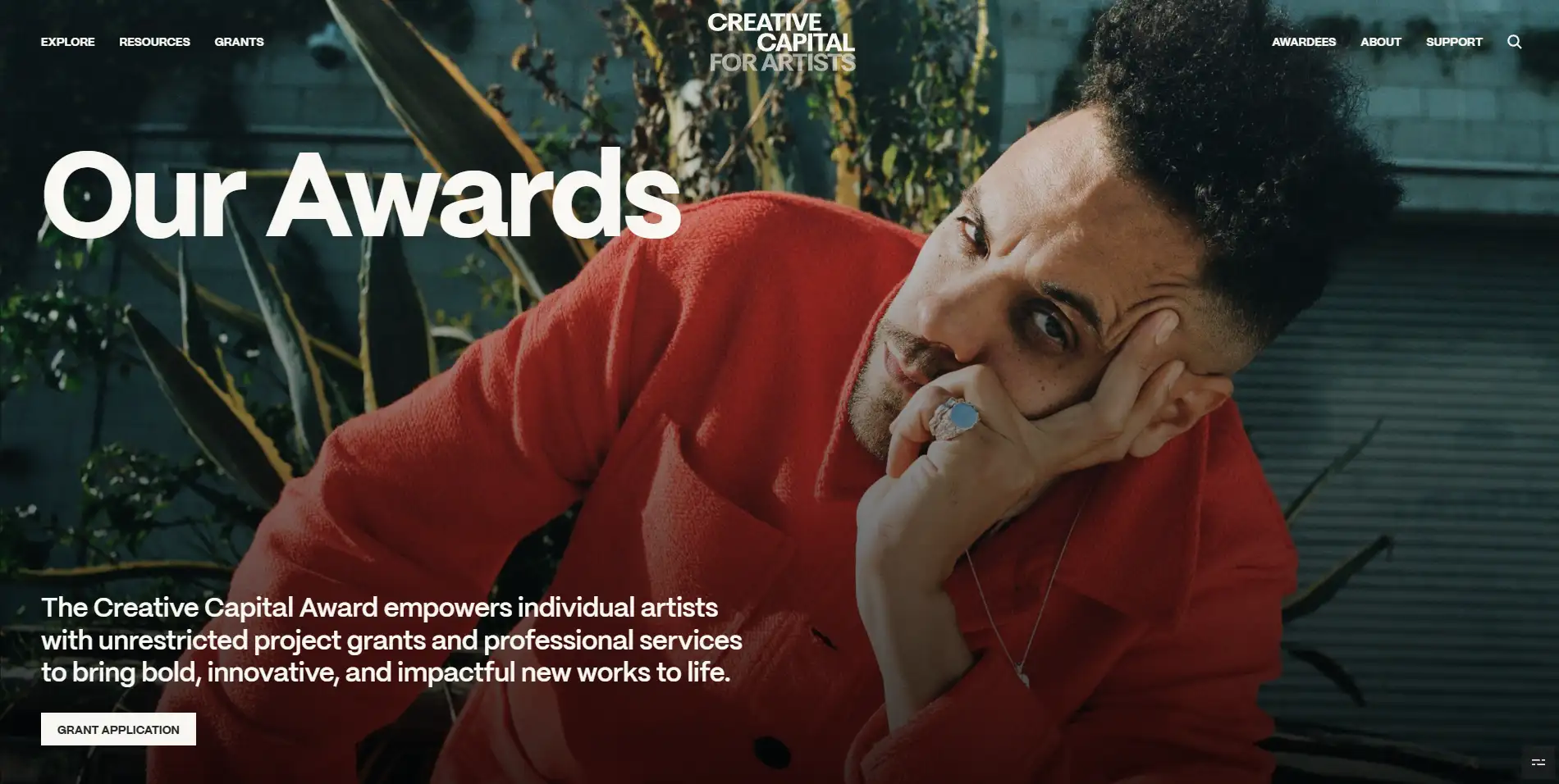
For context, $50,000 is more than most individual artist grants in the United States. The Guggenheim Fellowship varies but typically awards around $45,000. The Creative Capital Award provides up to $50,000 but includes a multi-year project development process. Anonymous Was A Woman just writes the check and walks away. That trust in the artist is rare and worth acknowledging.
Who Is Not Eligible
This award is specifically for women-identifying, gender non-conforming, and trans artists over 40 who are U.S. citizens or permanent residents. If you are a male artist, an artist under 40, or an artist based outside the United States, you are not eligible. The award also focuses on visual arts disciplines: painting, sculpture, photography, film, video, installation, performance, printmaking, ceramics, fiber arts, and interdisciplinary practice.
If you do not fit these criteria, consider the Creative Capital Award (open to all U.S. artists), the Gottlieb Foundation Grants (for painters, sculptors, and printmakers), or the Elizabeth Greenshields Foundation (for representational artists worldwide).
Final Verdict: Who Is This Actually For?
Anonymous Was A Woman is for women, gender non-conforming, and trans artists over 40 who have been producing serious work for years or decades and are at a critical juncture in their career. You cannot apply, but you can make sure your work is visible enough that nominators find you. That means maintaining an active exhibition record, a current website, and a professional presence that invited nominators can discover.
If you are a woman artist over 40 who has felt the art world lose interest in your work as you aged, this award exists specifically for you. The best thing you can do is keep making work, keep showing it, and make sure your practice is documented and findable online. Visit anonymouswasawoman.org to see the full list of past recipients and learn more about the award's history and mission.