SVS Learn: The Online Art School That Teaches the Business of Illustration
Most online art courses teach you how to draw. SVS Learn teaches you how to get hired. That distinction is why this platform has built a loyal following among aspiring illustrators who figured out that artistic skill alone does not pay the rent.
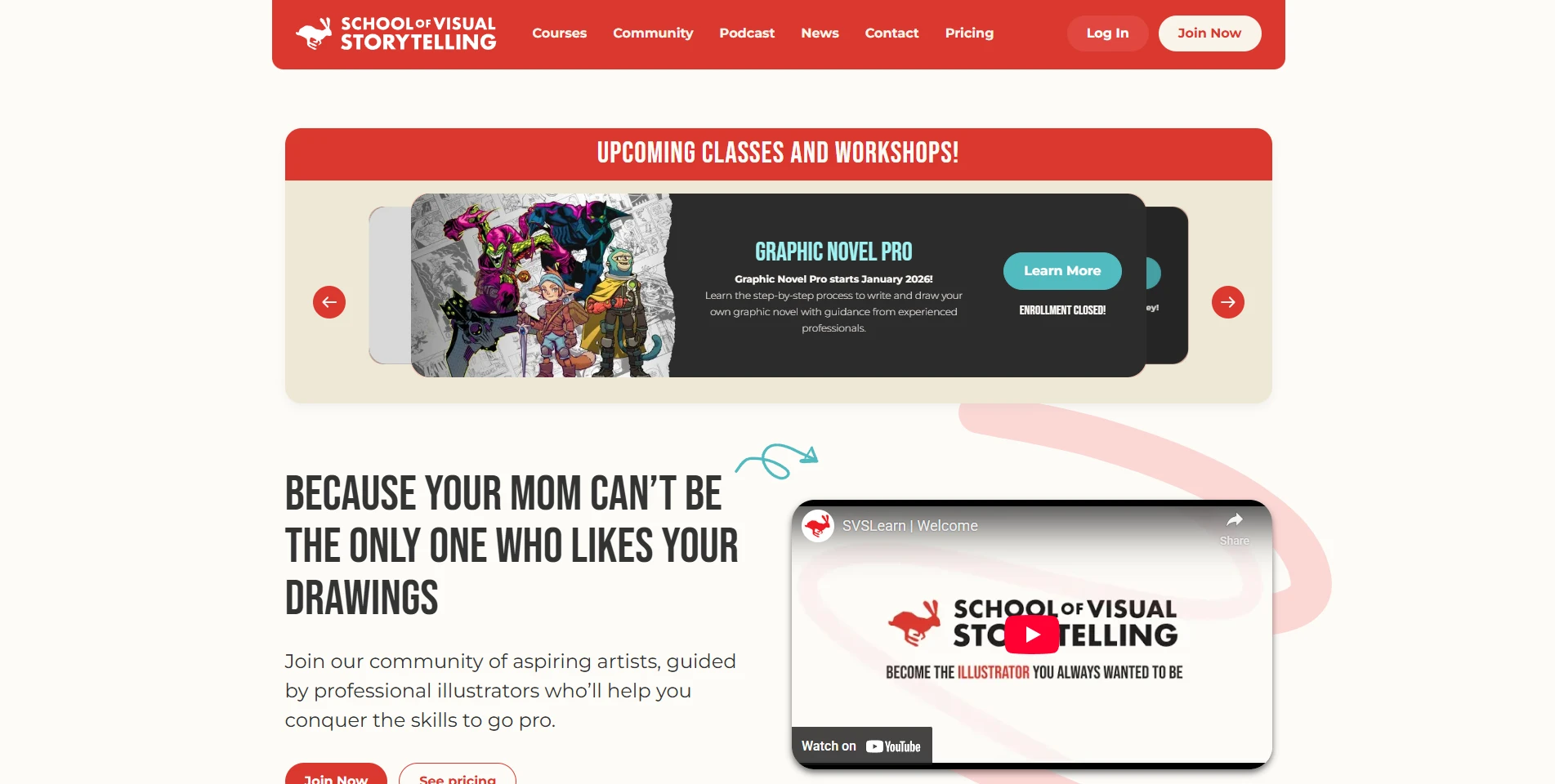
Founded by Will Terry, Jake Parker, and Lee White, three published children's book illustrators with decades of combined experience, SVS (Society of Visual Storytelling) offers 100+ courses focused specifically on the illustration industry. The subscription runs $29.95/month or $249.95/year with a 14-day free trial. At that price point, it competes directly with Schoolism and 21 Draw, but the focus is narrower and more career-oriented.
What Makes SVS Different
The founding instructors are not hobbyists who learned to teach. They are working professionals. Will Terry has illustrated about 30 children's books for publishers including Random House, Simon and Schuster, Scholastic, and Penguin. Jake Parker worked at Reel FX and Blue Sky Studios on films including Horton Hears a Who, Rio, and Epic, and he created Inktober, the global drawing challenge that has become a yearly ritual for millions of artists. Lee White has illustrated over 30 children's book titles and teaches painting techniques from his studio in Colorado.
The curriculum is organized into four levels that build progressively:
- Level 1: Foundations covers drawing fundamentals, perspective, and composition.
- Level 2: Character Design teaches character construction, expression, and design principles.
- Level 3: Environment Design covers interior and exterior environment creation for illustration.
- Level 4: Visual Storytelling focuses on concept building and narrative through images.
This structured progression is something most online platforms lack. Instead of browsing a random catalog, you follow a path from raw fundamentals to professional-level visual storytelling.
The Pro Courses
Beyond the subscription library, SVS offers Pro Courses that run live for 10 weeks with limited enrollment. These include video call sessions, feedback, homework, progress checks, and community discussions. They are taught by industry professionals with decades of experience and run a few times per year.
The Pro Courses are where SVS gets closest to the experience of a traditional art school classroom. If you want direct feedback on your work from working illustrators, this is the format to choose. The subscription alone gives you access to the recorded video library but not the live Pro Courses.
The Business Curriculum
This is where SVS fills a gap that almost every other online art platform leaves wide open. The platform dedicates significant course content to the business side of illustration: portfolio construction, art director outreach, pricing strategies, contract negotiation, licensing basics, and self-promotion.
The Children's Book Illustration courses (Parts 1 and 2) are the flagship offering. Part 1 covers creating the artwork: making a book dummy, maintaining visual continuity, and developing a cohesive visual style. Part 2 covers the business: contracts, the publishing world, and how to navigate working with publishers. Will Terry and Jake Parker have both illustrated books for major publishers including Scholastic, Random House, HarperCollins, Penguin, Macmillan, and Simon and Schuster, so the advice comes from direct experience.
For aspiring illustrators who do not know where to start with the business side, this curriculum alone justifies the subscription cost. Most art schools charge $30,000+ per year and still do not teach this material.
The 3rd Thursday Podcast
The SVS podcast, 3rd Thursday, provides weekly insights into the illustration industry: career advice, industry news, portfolio tips, and honest discussions about the business of art. It has become an essential resource for the illustration community beyond SVS subscribers. Even if you never sign up for a course, the podcast is worth listening to for anyone serious about illustration as a career.
Monthly Illustration Challenges
SVS runs monthly illustration challenges that simulate professional briefs. Each month specifies a subject, market context, and evaluation criteria. The challenges are critiqued in live sessions where instructors provide specific, professional feedback.
These challenges serve multiple purposes: they build portfolio pieces, develop the habit of working to deadlines and briefs, create community engagement, and provide regular opportunities for instructor feedback. For aspiring illustrators who lack professional experience, the monthly challenges approximate the discipline of working with an art director.
How SVS Compares to Competitors
SVS occupies a specific niche: career-focused illustration education. The comparisons depend on what you want to do.
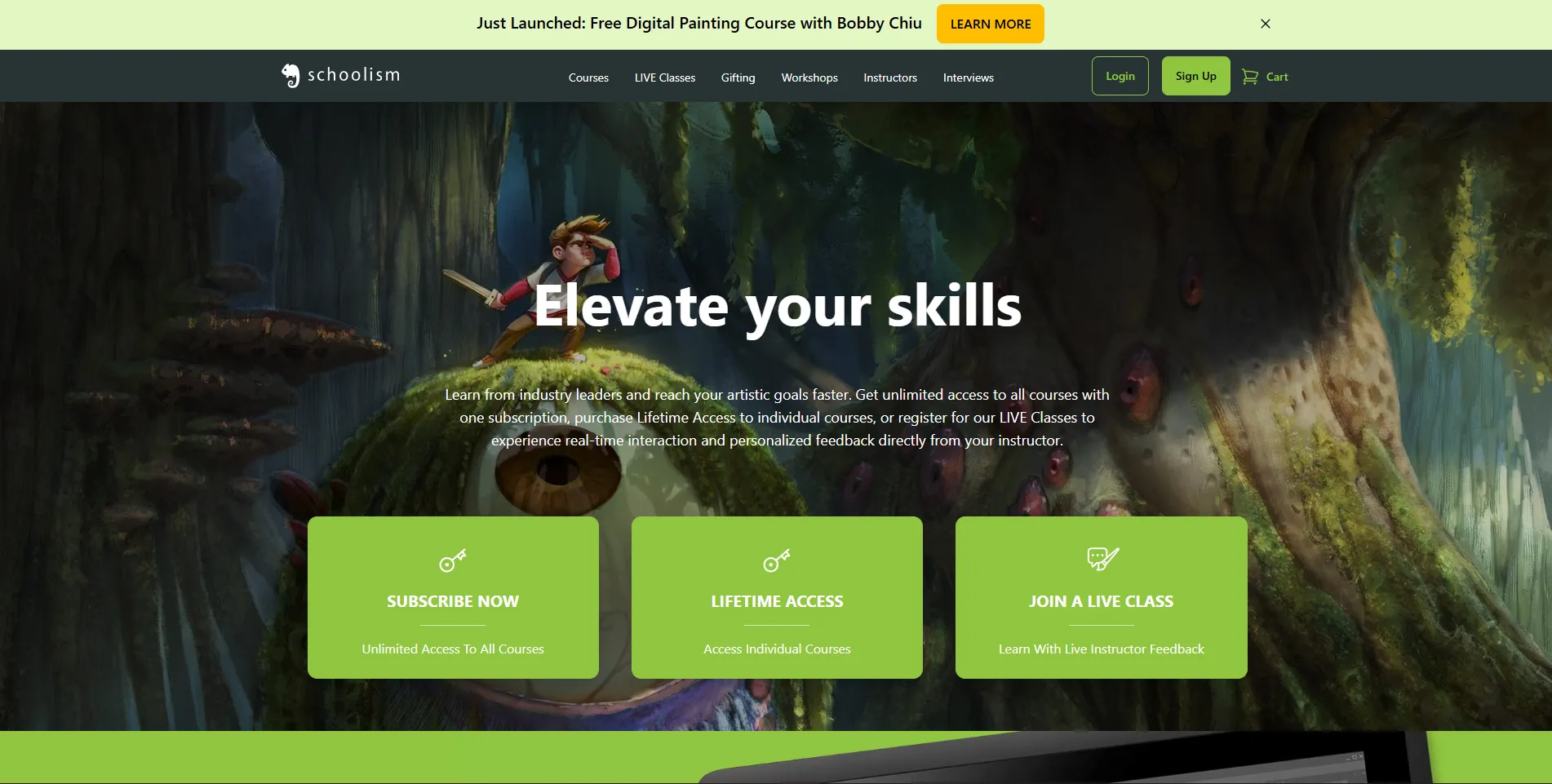
Schoolism at $249/year offers courses from Pixar and DreamWorks artists focused on entertainment art. SVS at $250/year offers courses from working illustrators focused on publishing and editorial markets. If you want to work in film or games, Schoolism is the better choice. If you want to illustrate children's books or editorial pieces, SVS is the better choice.
21 Draw at $59/year offers 70+ illustration courses from Disney and Marvel artists. The price is significantly lower, but the courses are shorter and less career-focused. SVS offers deeper, more structured content with the business curriculum that 21 Draw lacks entirely.
Skillshare at $168/year offers broader creative education but at a shallower depth. SVS is specifically for people who want to pursue illustration as a career, not as a hobby.
For figure drawing and anatomy fundamentals, Proko remains the gold standard. SVS assumes you have basic drawing skills and focuses on applying them to illustration-specific challenges.
Insider Tips for Getting the Most Out of SVS
- Start with the 14-day free trial. You get full access to the library for two weeks. Use that time to take the first level of foundations and decide whether the teaching style works for you.
- The yearly plan saves you $110. At $249.95/year versus $29.95/month, the annual plan is significantly cheaper if you plan to stay subscribed for more than 8 months.
- Take the Children's Book Illustration courses even if you do not want to make children's books. The principles of visual storytelling, continuity, and working to a brief apply to every illustration market.
- Participate in the monthly challenges. Watching the critique sessions, even if you do not submit work, teaches you how instructors evaluate illustration and what professional standards look like.
- Listen to the 3rd Thursday podcast from the beginning. The back catalog contains years of accumulated industry knowledge that is not available in the courses.
Who Should Avoid SVS
If you want to learn entertainment art, concept art, or digital painting for film and games, SVS is the wrong platform. Its focus is illustration for publishing, editorial, and licensing markets. Schoolism or Brainstorm School are better suited for entertainment industry goals.
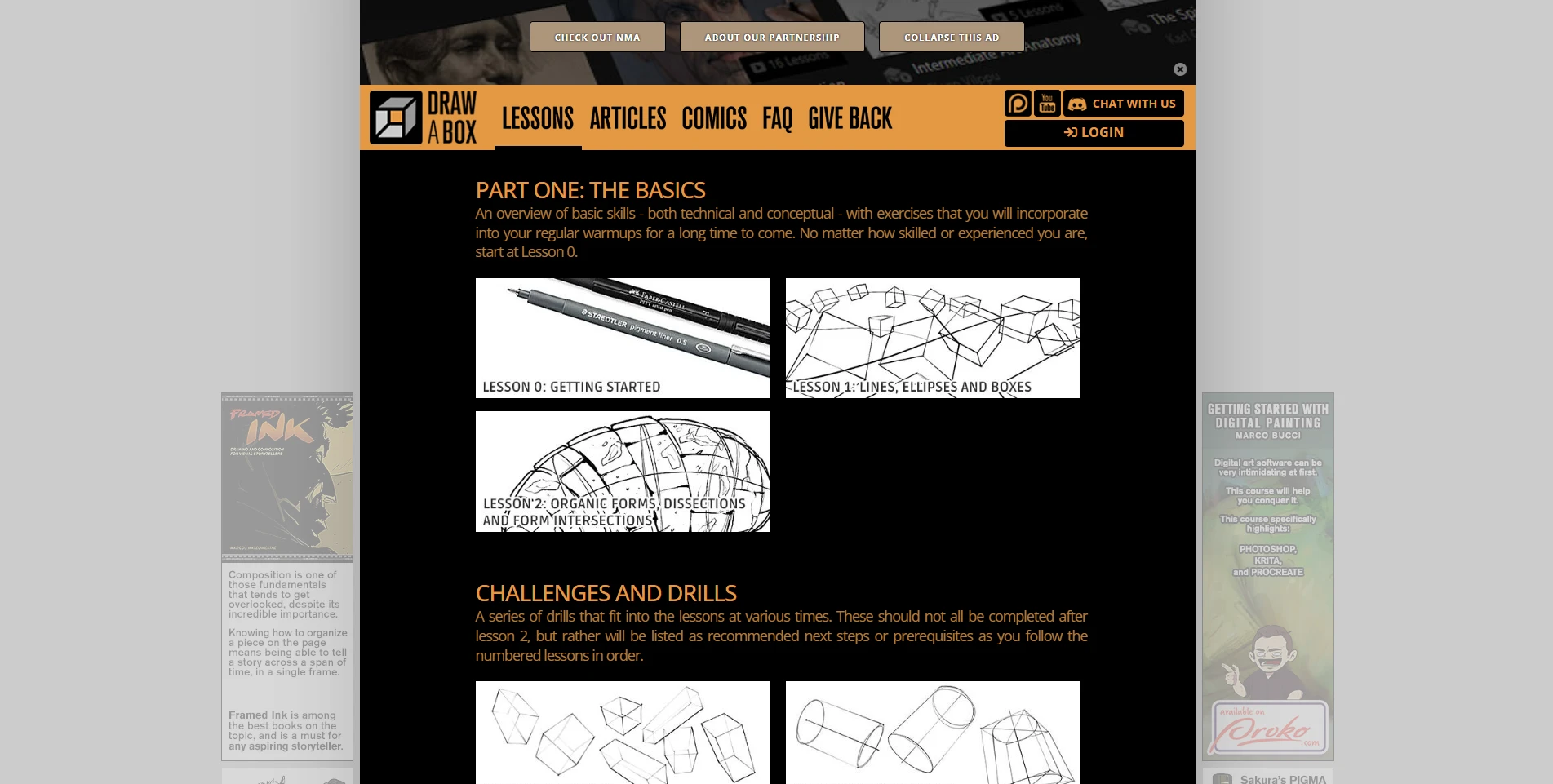
If you are a complete beginner with no drawing experience, the foundations courses will help but may not be enough on their own. Consider pairing SVS with Drawabox or Proko for more thorough fundamental drawing instruction.
If you want accredited certificates, SVS offers none. The value is in the skills, the portfolio pieces, and the business knowledge.
Final Verdict: Who Is This Actually For?
SVS Learn is the best online platform for artists who specifically want to pursue illustration as a professional career, particularly in children's books, editorial, and licensing markets. The combination of working professional instructors, a structured four-level curriculum, the business of art courses, monthly challenges, and the 3rd Thursday podcast creates a learning environment that is more career-focused than any other platform at this price point.
At $250/year, it is priced competitively against Schoolism and offers something Schoolism does not: a path from raw beginner to working professional illustrator that includes the business knowledge most art schools skip entirely. Start with the 14-day free trial, take the foundations course, and see if the SVS approach works for you.