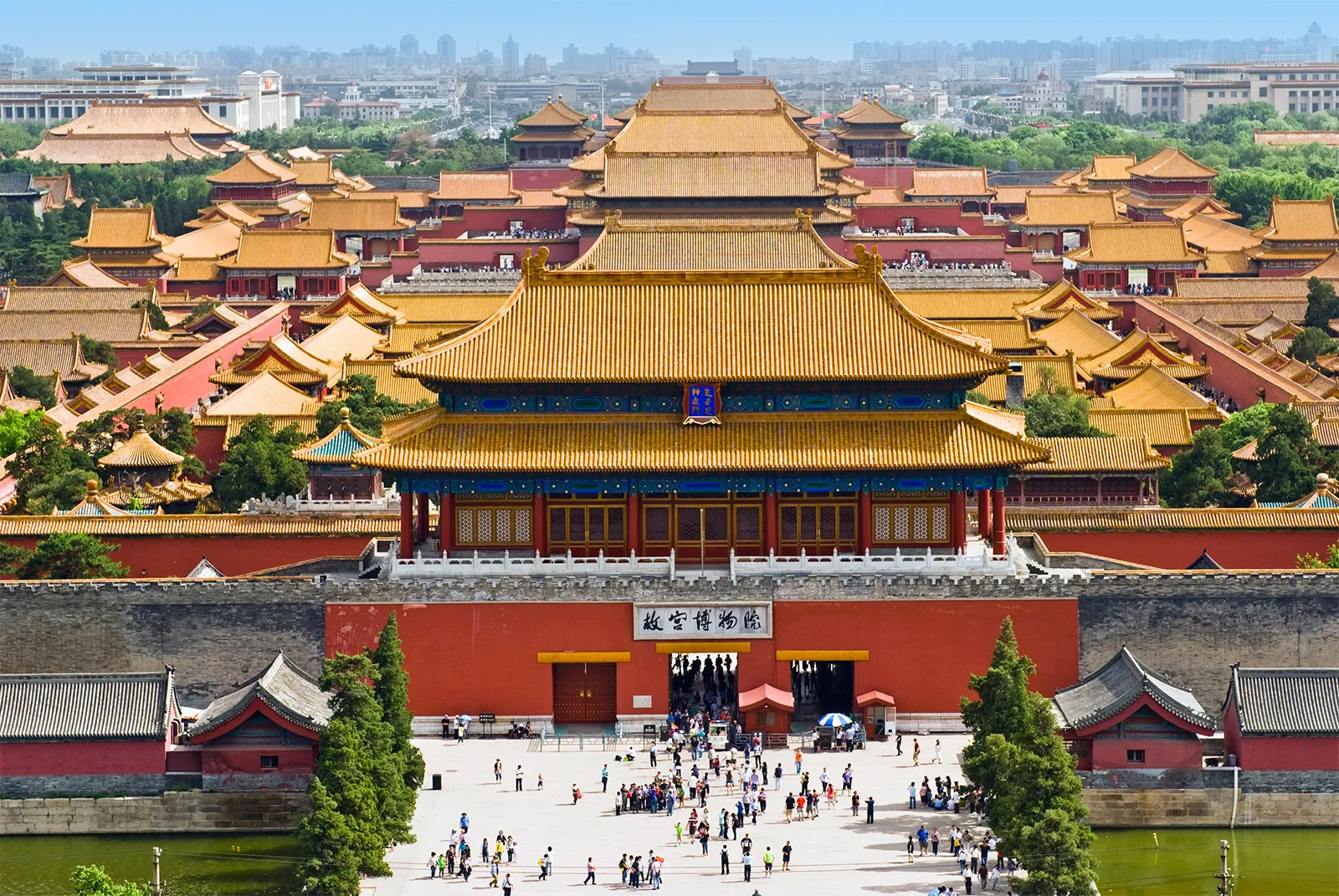

Neoclassicism: Order, Reason, and the Return to Ancient Rome
Neoclassicism rejected Rococo excess and returned to the order, reason, and moral clarity of ancient Rome. Discover how David and Ingres shaped an era.
Your cart is empty
Browse the store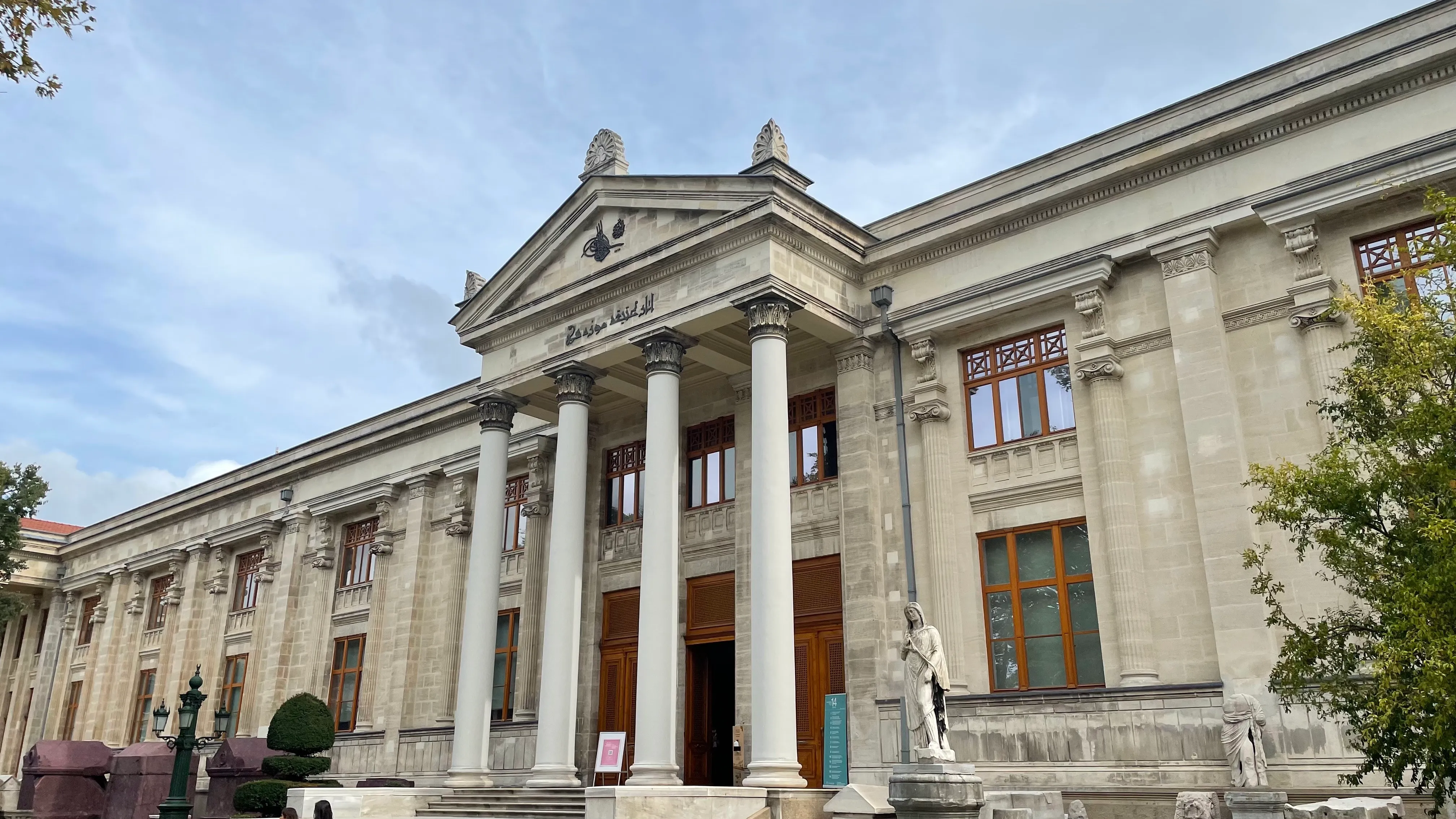
Istanbul's archaeology complex with the Alexander Sarcophagus and Treaty of Kadesh. Two of three buildings closed for restoration in 2026.
Discover other museums and cultural institutions you might be interested in
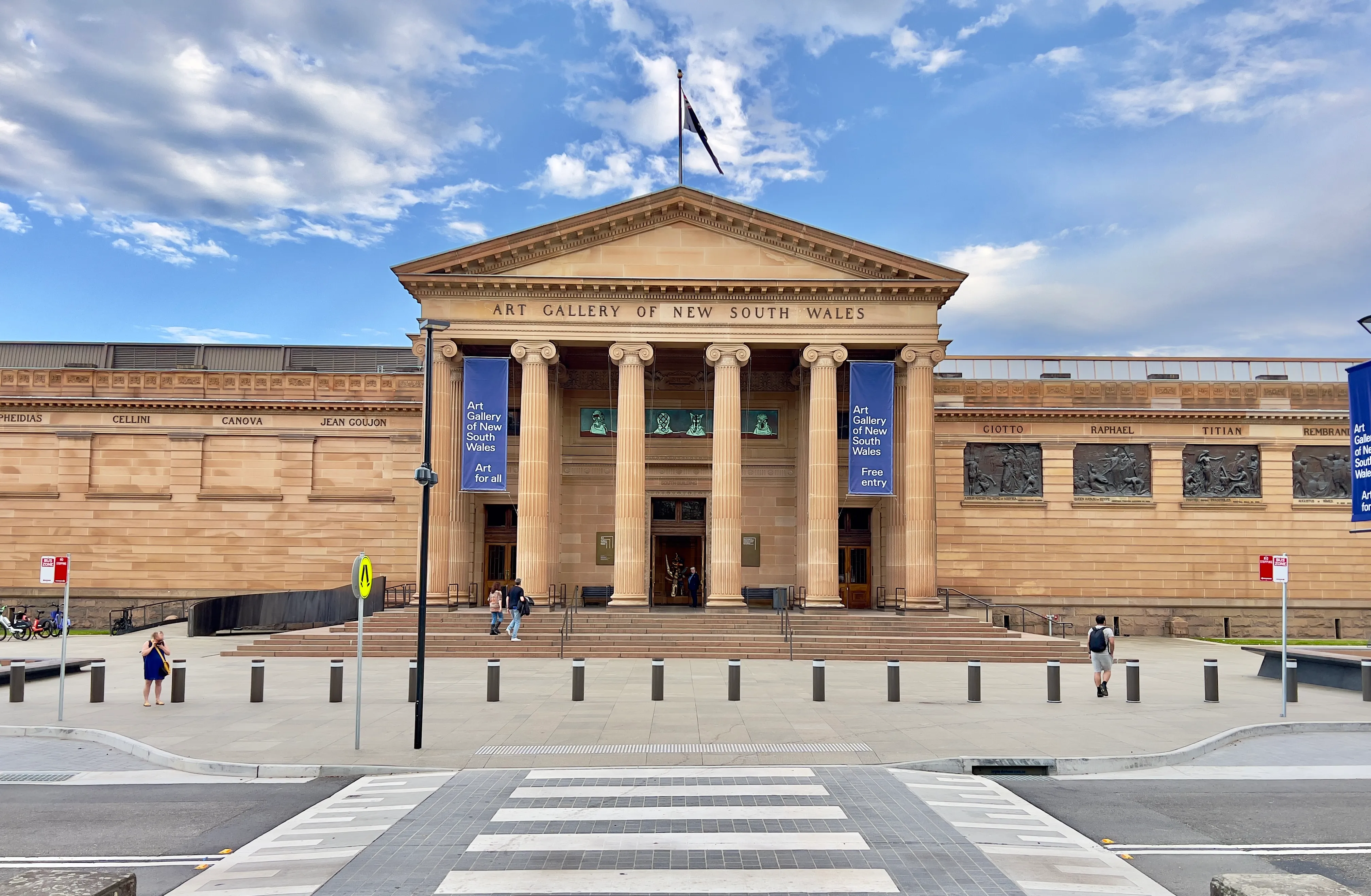
Sydney's free art museum pairing colonial classics with a SANAA-designed contemporary wing and the best Aboriginal art galleries in Australia.
View details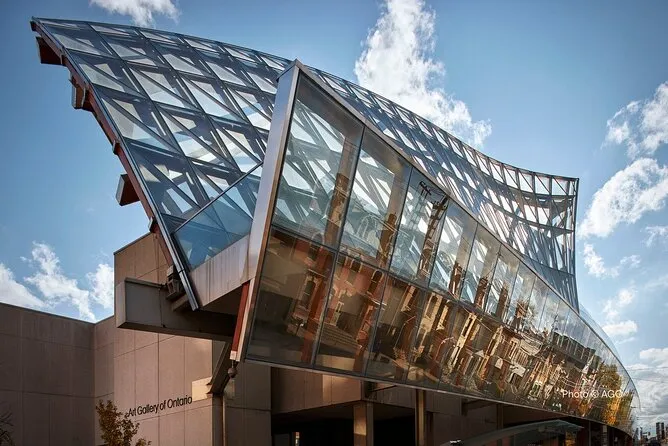
Toronto's Frank Gehry-redesigned art museum with Canada's best Group of Seven collection, free entry for under-25s, and a new wing opening 2027.
View detailsExplore definitions from our glossary that connect to this museum
Mosaic is art made from small pieces of stone, glass, or ceramic set in mortar. From Roman floors to Byzantine domes, learn how mosaic works and who made it.
Roman art combined Greek idealism with unprecedented engineering and unflinching portraiture. Learn how Rome built on Greek art and created something distinctly its own.
Read more about this topic on our blog
Neoclassicism rejected Rococo excess and returned to the order, reason, and moral clarity of ancient Rome. Discover how David and Ingres shaped an era.

Explore the history of mosaic from Roman floors to Byzantine gold-glass icons and Gaudí's buildings. Learn how tesserae are cut and set, and how to start your own mosaic practice with modern materials.
The Istanbul Archaeology Museums sit in the grounds of Topkapi Palace, a five-minute walk from Hagia Sophia. The complex consists of three buildings: the main Archaeology Museum, the Museum of the Ancient Orient, and the Tiled Kiosk Museum. As of 2026, only the main Archaeology Museum is open. The other two buildings are closed for restoration, and there is no announced reopening date.
That is the first thing you need to know. If you come expecting to see the Ishtar Gate fragments in the Ancient Orient Museum or the Iznik tiles in the Tiled Kiosk, you will be disappointed. Check the official website before you go.
But the main building alone holds over a million artifacts spanning Mesopotamia, Anatolia, Greece, Rome, and the Ottoman era, and it contains one of the most extraordinary objects from the ancient world: the Alexander Sarcophagus.
The Alexander Sarcophagus is a late 4th-century BC marble sarcophagus discovered in the royal necropolis at Sidon (present-day Lebanon) in 1887. It was not made for Alexander the Great but for Abdalonymus, a king of Sidon installed by Alexander after the conquest. The sarcophagus depicts Alexander in battle and hunting scenes carved with a dynamism and anatomical precision that represent the pinnacle of Hellenistic sculpture.
Battle scenes show warriors in violent combat with a sense of movement that is breathtaking. Hunting scenes depict figures on horseback pursuing lions with a naturalism that captures the tension of the chase. Traces of original polychrome paint survive on the surface, which means the sculpture was once vividly colored, not the white marble we associate with classical art. If you think ancient sculpture was monochrome, this object will change your mind.
The Alexander Sarcophagus alone justifies the visit. It is one of the most important surviving works of ancient art, and it is in Istanbul, not London or Paris, because Osman Hamdi Bey made sure it stayed here.
The museum was founded in 1891 by Osman Hamdi Bey, an Ottoman painter, archaeologist, and administrator who excavated the royal necropolis at Sidon and recognized that the artifacts being unearthed across the Ottoman Empire were being exported to European museums at an alarming rate. He fought to keep them within the empire, and the Istanbul Archaeology Museum was one of the first major archaeological museums in the non-Western world. His 1883 building, originally the Ottoman Imperial College of Fine Arts, now houses the Museum of the Ancient Orient (currently closed).
Osman Hamdi Bey was also a painter, and his works are held in the museum's collection. He was the kind of figure who does not exist anymore: a scholar, artist, and bureaucrat who built an institution from scratch to protect cultural heritage from colonial extraction.
The main Archaeology Museum is open and holds the bulk of the collection:
The Alexander Sarcophagus and other sarcophagi from the Sidon necropolis, including the Lycian Sarcophagus and the Mourning Women Sarcophagus, both exceptional works of ancient funerary art.
The Treaty of Kadesh, the world's oldest known peace treaty, signed between Ramesses II of Egypt and Hattusili III of the Hittites around 1259 BC. A clay tablet inscribed in Akkadian cuneiform, it is recognized by the United Nations as a foundational document in the history of international relations.
Anatolian civilizations artifacts from Hittite, Phrygian, Lydian, and Urartian cultures that flourished in Turkey long before Greek and Roman influence.
Mesopotamian artifacts including cuneiform tablets, cylinder seals, and sculptural fragments from Sumer, Akkad, Babylon, and Assyria.
Greek and Roman sculptures tracing the development of classical sculptural art from Archaic through Hellenistic periods. Roman portraits, sarcophagi, mosaics, and architectural fragments demonstrate how Rome adapted Greek traditions.
Wooden sarcophagi and historical textiles are currently undergoing restoration, as announced by Culture and Tourism Minister Mehmet Nuri Ersoy in 2026. The conservation work uses specialized lighting and photographic analysis to document deterioration before intervention, and the restored sarcophagi will be placed in newly designed display cases.
The Museum of the Ancient Orient is closed for restoration and improvements. This building housed artifacts from pre-classical Near Eastern civilizations, including Egyptian mummies, Babylonian lions, Hittite treaties, and Assyrian reliefs. The building itself, designed in 1883, is an important piece of Ottoman architectural history. No reopening date has been announced.
The Tiled Kiosk Museum is also closed for restoration. The kiosk, built in 1472 by Mehmed the Conqueror as a pleasure palace, is the oldest surviving Ottoman secular building in Istanbul. It housed Seljuk and Ottoman ceramics and tiles, including Iznik work from the 16th century. Again, no reopening date.
Some visitors have reported frustration at the lack of advance notice about closures, and some have suggested reduced ticket prices during renovations. The museum has not implemented a reduced price, but the Istanbul Museum Pass covers entry and may soften the blow if you are visiting multiple sites.
The Istanbul Archaeology Museum is not in the same league as the British Museum or the Hermitage Museum in terms of scale, but it holds objects that are individually as significant as anything in those collections. The Alexander Sarcophagus and the Treaty of Kadesh are world-class artifacts by any standard.
Against the Egyptian Museum Cairo, the Istanbul museum has a broader geographic scope but less depth in any single civilization. The Egyptian Museum focuses on one culture across millennia; Istanbul spans Mesopotamia to Rome across the same period.
The Getty Villa in Malibu is a useful comparison for classical antiquities, but the Getty Villa's collection is smaller and more narrowly focused on Greek, Roman, and Etruscan art. Istanbul's collection spans the entire Near East.
Budget a half day, not a quick stop. Even with two buildings closed, the main museum rewards slow looking. Do not squeeze it in between Hagia Sophia and Topkapi. Go after a calm breakfast, on a rainy day, or before Topkapi if you want context for the empires layered around the Old City.
The Alexander Sarcophagus is in the first gallery. Do not walk past it to get to the rest of the museum. Spend 15 minutes with it before moving on.
Check the official website before visiting. Restoration status can change. The museum's social media channels sometimes post updates that the website does not.
Use the Istanbul Museum Pass. If you are visiting multiple sites (Hagia Sophia, Topkapi, the Archaeology Museum), the pass saves money and includes fast-track entry.
The cafe is basic. Eat in Sultanahmet before or after your visit. The area has better food than the museum offers.
Admission: €15 or 340 Turkish lira. Free with Istanbul Museum Pass. Reduced rates may apply during renovation closures; check official site.
Hours: Tuesday through Sunday, 9 AM to 6:30 PM. Last ticket sales at 5:30 PM. Closed Mondays.
Getting there: Osman Hamdi Bey Yokusu, Sultanahmet. Inside the Topkapi Palace grounds, first courtyard. Tram: Gulhane or Sultanahmet stations (T1 line).
Website: istanbularkeoloji.gov.tr
People who care about ancient history and can handle a partially closed museum. The Alexander Sarcophagus and the Treaty of Kadesh are worth the entry fee on their own. The main building holds enough to justify a half day even without the Ancient Orient and Tiled Kiosk. But go knowing that you are getting two-thirds of the experience, not the full complex. If the closures bother you, wait until the restoration is finished. If they do not, go now. The strongest pieces are still on display, and the crowds are smaller than at Hagia Sophia or Topkapi, which means you can actually spend time with the objects without being pushed along.
Quiet Canvas is a space for artists and art lovers: essays, glossary terms, tools, and curated directories to support your creative practice.
Learn more →


