National Institute of Design: India's Most Prestigious Design School
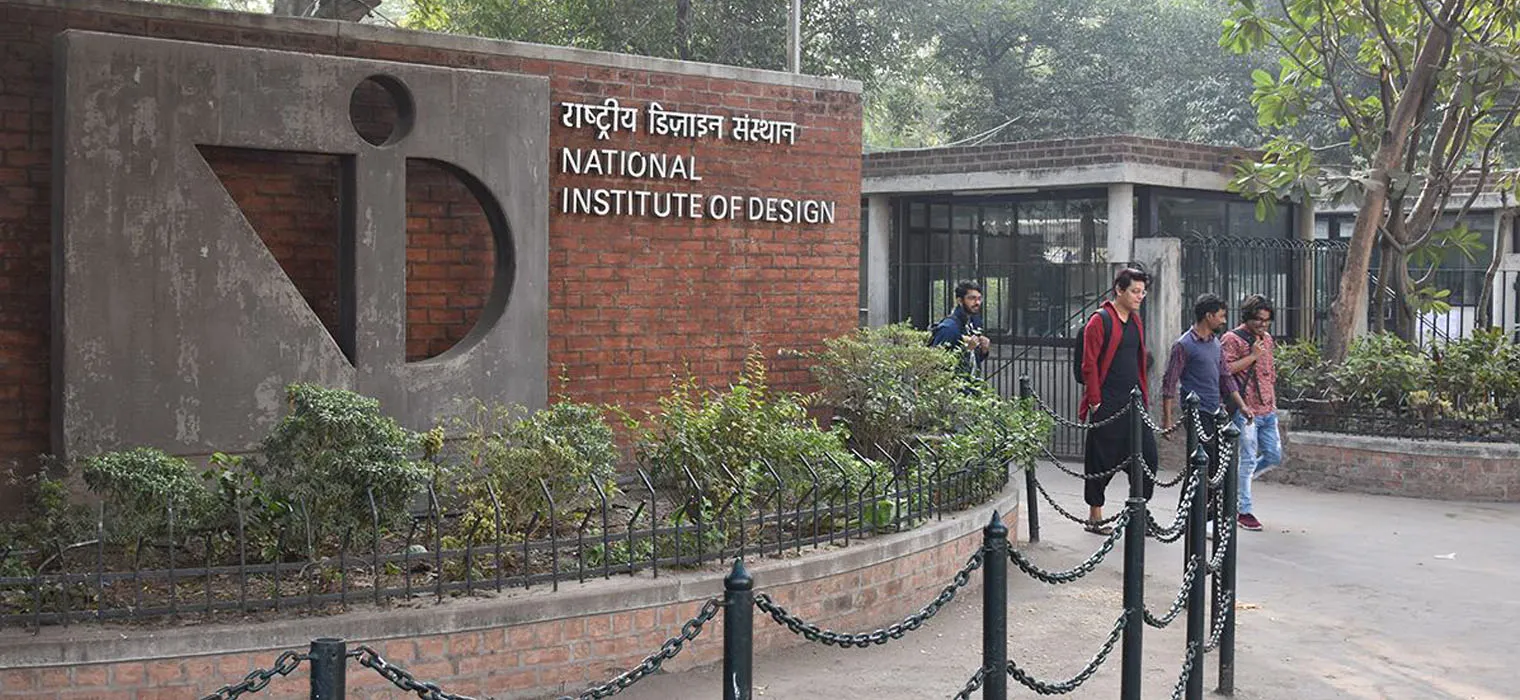
The National Institute of Design in Ahmedabad is India's most prestigious design institution and one of the most respected design schools in Asia. Founded in 1961 following recommendations by the American designers Charles and Ray Eames, who visited India in 1958 at the invitation of the Indian government and produced the influential "India Report" outlining a vision for design education in the country, NID was established with a distinctive philosophy: that Indian design education should be rooted in the country's extraordinary tradition of craft and making while engaging fully with contemporary design practice and technology.
The Eames Report's central insight was that India's traditional craft traditions, which encompassed textiles, ceramics, metalwork, woodwork, and dozens of other disciplines, represented a living design intelligence that should be the foundation of modern design education rather than something to be replaced by Western industrial design models. This philosophy has shaped NID's approach to design education for more than sixty years, and it continues to distinguish the school from design institutions that take a purely industrial or commercial approach to their programs.
The NID Philosophy
NID's educational philosophy is built around the integration of traditional craft knowledge and contemporary design practice. Students are expected to develop deep knowledge of Indian craft traditions, including the materials, techniques, and cultural contexts of specific craft disciplines, alongside the design thinking, technical skills, and professional knowledge required for contemporary practice. This integration produces designers who can work across the full range of contexts from traditional craft production to high-technology industrial design, and who bring a distinctive cultural perspective to their work.
The school's approach to design education is also distinctive in its emphasis on field studies, in which students travel to craft communities across India to learn directly from master craftspeople. These field studies are not merely observational; students are expected to engage with the craft traditions they encounter, to develop genuine skill in specific techniques, and to bring what they learn back to their studio practice. This direct engagement with living craft traditions is one of the most distinctive features of NID's curriculum and one of the things that most clearly distinguishes it from Western design schools.
Programs
NID offers BDes (Bachelor of Design) programs in Product Design, Communication Design, Graphic Design, Animation Film Design, Film and Video Communication, Photography Design, Textile Design, Apparel Design, Furniture Design, Interior Space and Furniture Design, Toy and Game Design, and Transportation and Automobile Design. The breadth of these programs reflects NID's commitment to covering the full range of design disciplines, and the school's size of approximately 1,200 students means that each program has a dedicated faculty and facilities.
The Textile Design program is one of NID's strongest and most internationally recognized, reflecting the extraordinary richness of India's textile traditions. Students develop deep knowledge of weaving, dyeing, printing, and embroidery techniques from across India's diverse regional traditions, alongside contemporary design skills and an understanding of the global textile industry. Graduates work in fashion, interior design, and fine art contexts, and the program's connections to India's textile industry provide pathways to professional practice.
The Animation Film Design program is one of the few dedicated animation programs at a major design school in Asia, and it has produced graduates who work in India's growing animation and film industries as well as in international contexts. The program covers both traditional and digital animation techniques, and it benefits from NID's broader strengths in communication design and visual storytelling.
The MDes (Master of Design) programs provide advanced design education for graduates who want to develop their practice at a higher level. The programs are available in most of the undergraduate disciplines, and they attract students from India and internationally who want to engage with Indian design traditions and contemporary practice.
The Ahmedabad Context
Ahmedabad is one of India's most historically and culturally significant cities, with a rich tradition of craft, architecture, and intellectual life. The city's textile heritage, which includes the traditions of block printing, tie-dye, and weaving that have made Gujarat's textiles famous worldwide, provides a living context for NID's textile programs. The city's architectural heritage, including the work of Le Corbusier and Louis Kahn in nearby Chandigarh and the extraordinary medieval step-wells and mosques of Ahmedabad itself, provides a context for students interested in the relationship between design and culture.
The Calico Museum of Textiles, one of the finest collections of Indian textiles in the world, is located in Ahmedabad and provides NID students with direct access to historical examples of the craft traditions they are studying. The Shreyas Folk Museum and other collections of traditional Indian art and craft provide additional resources for students interested in the material culture of India's diverse regions.
Admission and Competition
Admission to NID is extraordinarily competitive, with an acceptance rate of approximately 5%. The admissions process involves a written examination, a studio test, and a personal interview, and applicants are evaluated on their design aptitude, visual thinking, and potential for development. The competition for places reflects NID's status as India's premier design institution and the extraordinary demand for places from students across the country.
International students can apply to NID through a separate admissions process, and the school actively encourages applications from students who want to engage with Indian design traditions and culture. The school's relatively low tuition, approximately 250,000 INR per year (roughly $3,000 USD) for undergraduate programs, makes it one of the most affordable serious design schools in the world for eligible students.
NID's Influence on Indian Design
NID's influence on Indian design culture over the past sixty years has been profound. The school has trained generations of designers who have shaped India's graphic design, product design, textile, and film industries, and its graduates have contributed significantly to the development of a distinctively Indian approach to contemporary design. The school's emphasis on the integration of craft and design has influenced design education across India, with NID graduates founding and leading design programs at universities and institutes across the country.
The school's connections to India's growing technology and manufacturing industries provide students with pathways to professional practice in contexts ranging from traditional craft production to high-technology product development. India's rapidly growing economy and its expanding creative industries create significant opportunities for NID graduates, and the school's reputation ensures that its graduates are sought after by employers across the full range of design contexts.
The Bottom Line
The National Institute of Design is India's most prestigious design institution, with a distinctive philosophy that integrates traditional craft knowledge with contemporary design practice. Its extraordinarily competitive admissions, exceptional faculty, and connections to India's rich craft traditions make it a genuinely unique institution in world design education. For students who are drawn to Indian design culture, who want to develop their practice in direct relationship with living craft traditions, or who want to study design in one of the world's most culturally rich environments, NID offers an educational experience that is available nowhere else.