
Game Design as Art: Environmental Storytelling and Visual World-Building
Game design is one of the most sophisticated visual arts of the 21st century. Discover how environmental storytelling and visual world-building make games fine art.
Your cart is empty
Browse the store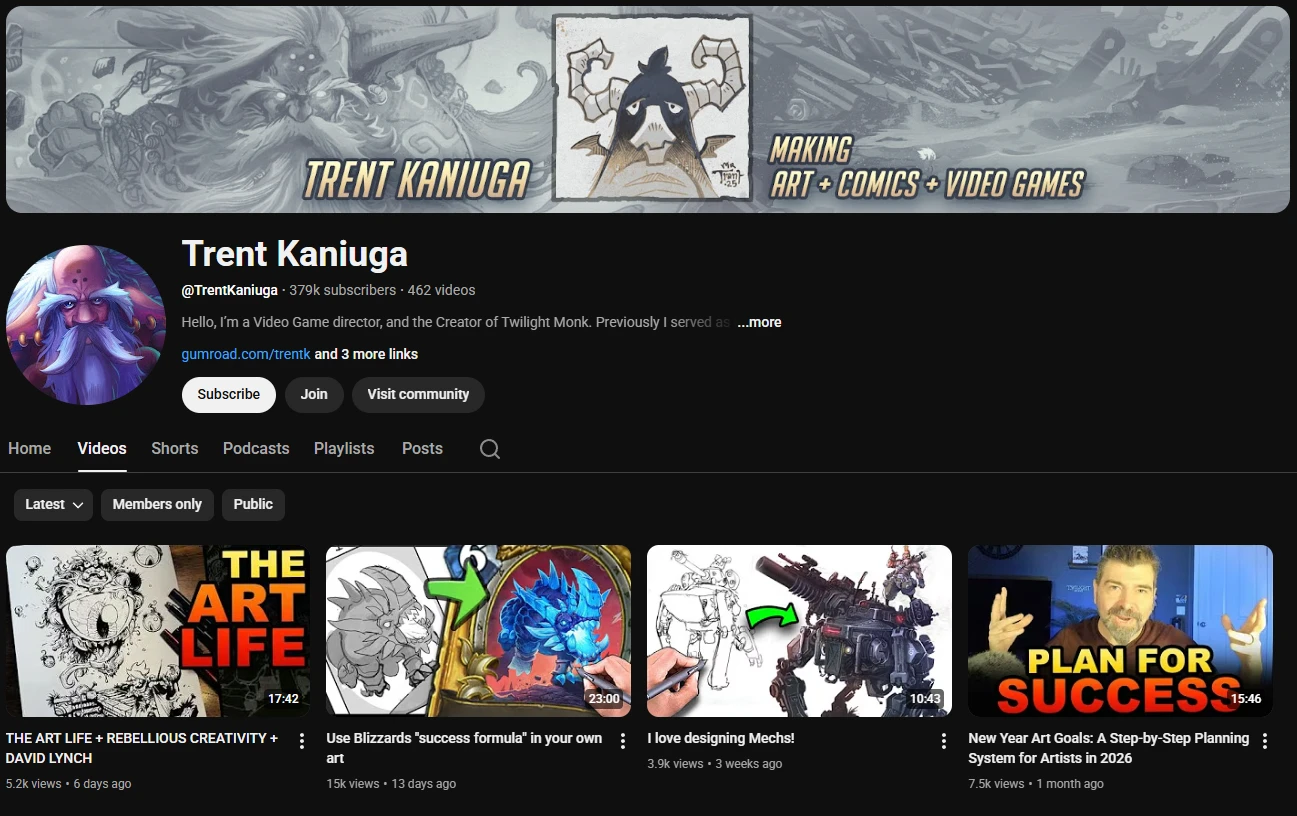
Veteran concept artist Trent Kaniuga shares industry-level tutorials and career advice with 380K subscribers. Credits include Fortnite, Overwatch, World of Warcraft, Diablo 3, and League of Legends.
Discover other art channels you might be interested in
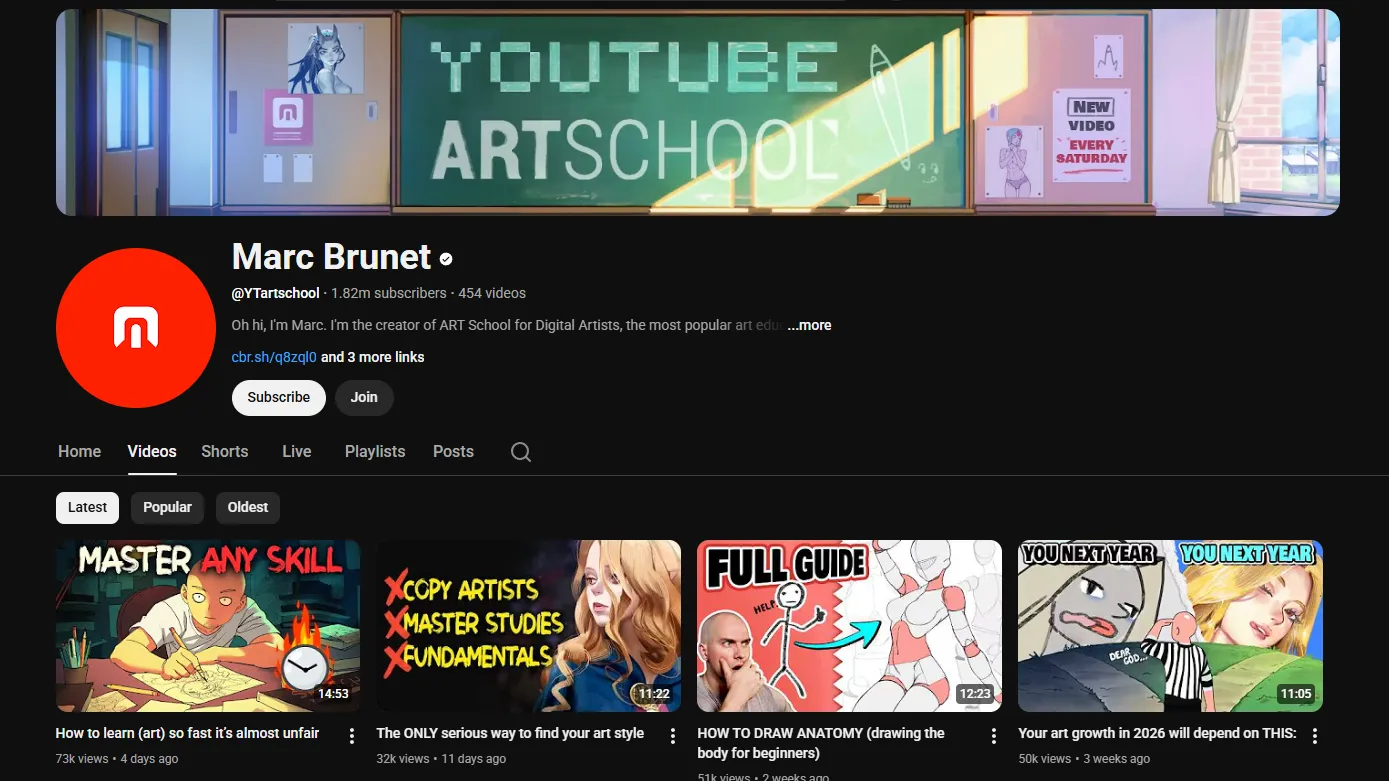
Former Blizzard senior artist Marc Brunet teaches professional concept art techniques and career strategies to 1.87 million YouTube subscribers.
View details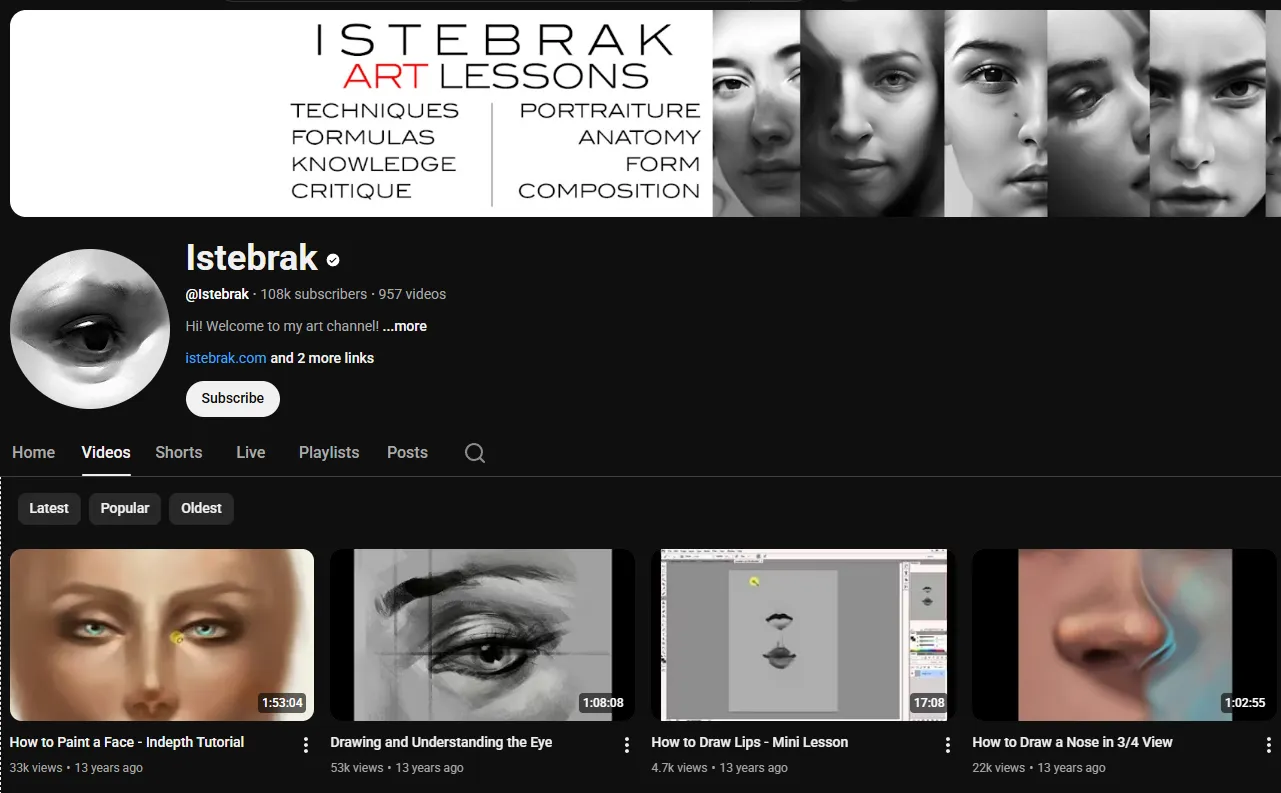
Istebrak delivers YouTube's most brutally honest portrait critique sessions, holding artists to professional standards of likeness and structural accuracy.
View detailsExplore definitions from our glossary that connect to this channel
Concept art is visual development art for games, film, and animation. Learn its history from Disney's Snow White to AI-assisted workflows in 2026.
Procedural generation creates content algorithmically rather than by hand. Learn its history from Elite (1984) to AI-driven PCG in Unreal Engine 5 and Roblox Build in 2026.
Read more about this topic on our blog
Game design is one of the most sophisticated visual arts of the 21st century. Discover how environmental storytelling and visual world-building make games fine art.

How video games became a serious visual art form: from the painterly worlds of Journey and Shadow of the Colossus to Elden Ring's gothic mythology. A guide to game art direction, concept art, and what makes interactive visuals different.
Trent Kaniuga's channel description reads like a concept art resume: Fortnite, Overwatch, World of Warcraft, Diablo 3, League of Legends. That list is not padding. Trent has worked as a concept designer at some of the biggest studios in gaming, and his 380,000-subscriber channel is built on the premise that he can teach you what it takes to do the same work.
But Trent's channel is not just a highlight reel. He also runs his own indie game studio, Aquatic Moon, and created the visual universe of Creature in the Well, a pinball-inspired hack-and-slash dungeon crawler. This dual perspective, AAA studio insider and indie developer, is what makes his content different from other concept art channels. He knows what it is like to work inside a massive production pipeline, and he knows what it is like to build everything yourself from scratch.
When Trent discusses what concept art portfolios need, how studios evaluate artists, or what production workflows look like, he speaks from firsthand experience. His concept art for World of Warcraft, League of Legends, and Fortnite demonstrates the level of work his advice is aimed at. He does not theorize about what art directors want. He has been one.
This matters because most art career advice on YouTube comes from educators who have not worked at major studios. Their advice is often secondhand or generic. Trent's advice is specific: what to put in a portfolio, what to leave out, how to present work for different studio types, and what the hiring process actually looks like from the inside.
Trent openly discusses the business side of art careers: pricing freelance work, managing client relationships, building sustainable income streams, and the financial realities of choosing art as a profession. He does not romanticize the freelance life. He talks about the feast-or-famine cycle, the difficulty of pricing work correctly, and the emotional toll of career uncertainty.
This practical business knowledge is rare in art education. Most channels focus on technique and skip the career mechanics entirely. Trent treats the business side as a skill that needs to be learned and practiced, just like drawing.
His ongoing indie game development work provides a window into the creative process of building visual worlds from scratch. These videos show the complete pipeline from initial sketches to finished game assets, demonstrating how concept art principles apply to actual shipped products.
Creature in the Well is the best example. The game's visual style, featuring bold graphic shapes, atmospheric lighting, and character designs that communicate personality through silhouette, showcases concept art principles applied to a commercial product. Videos documenting the game's development provide an unfiltered view of the creative decision-making process.
Trent regularly reviews artist portfolios submitted by community members. He provides detailed feedback on presentation, skill gaps, and strategic decisions that can make the difference between landing a studio job and receiving a rejection. His critiques are informed by years of experience on the hiring side of the table.
These portfolio reviews are some of the most valuable content on the channel. Watching Trent identify specific weaknesses in a portfolio, the same weaknesses that would get it rejected by a studio art director, is a learning experience whether it is your portfolio or someone else's.
Trent occupies a different space from most art education channels. Proko teaches fundamentals. Sinix Design teaches visual appeal and design thinking. Aaron Blaise teaches wildlife and Disney animation. Trent teaches the reality of working as a concept artist in the game industry, from portfolio preparation to production workflow to career management.
For environment-specific concept art, Tyler Edlin goes deeper into landscape and environment painting technique. For digital painting fundamentals, Ctrl Paint is more structured. Trent's value is in the industry perspective: what it is actually like to work at a studio, what gets you hired, and what the job entails once you are there.
Trent's channel covers a broad range of topics relevant to working artists: digital painting technique, character design, creature design, environment thumbnailing, color and lighting theory, Photoshop and Procreate workflow optimization, and the practical realities of managing an art career.
His teaching style is direct and honest. When something needs improvement, he says so clearly and provides specific guidance. There is no false positivity. He also addresses the emotional and psychological realities of creative careers: burnout, imposter syndrome, career transitions, and the challenge of maintaining artistic growth while meeting production deadlines. This willingness to discuss the difficult aspects of creative careers, not just the glamorous ones, builds trust and provides genuinely useful guidance.
Aspiring concept artists preparing for studio applications will find Trent's portfolio reviews and career advice the most directly useful content available on YouTube. He tells you what art directors look for because he has been one.
Working freelance artists benefit from the business content, which covers pricing, client management, and income stability from the perspective of someone who has navigated these challenges for years.
Indie game developers get a window into the complete visual development pipeline, from concept sketches to shipped product, demonstrated through Trent's own projects.
Intermediate and advanced digital painters will find the technique tutorials valuable, particularly the workflow demonstrations that show how professional concept artists move from rough thumbnails to polished deliverables.
Beginners who are still learning drawing fundamentals will find the content assumes too much. Trent's tutorials are aimed at artists who can already draw and are looking to level up their professional skills. Start with Proko for fundamentals.
Artists outside the entertainment industry will find less relevant content. Trent's experience is in game development and concept art for entertainment. Fine artists, illustrators, and traditional painters will find more relevant content elsewhere.
Artists looking for structured curricula will find Trent's channel more conversational and topic-driven than sequential. The content is organized around themes rather than difficulty levels.
Trent Kaniuga provides the rare combination of AAA studio credentials, indie creative freedom, and genuine willingness to share professional knowledge. For aspiring and working concept artists, his channel is one of the most practical resources on YouTube. The portfolio reviews alone are worth subscribing for. For game developers, illustrators, and entertainment artists at any career stage, his channel delivers honest career guidance and professional-level instruction grounded in decades of industry experience. For beginners or artists outside the entertainment industry, there are better channels to start with.
Start with his portfolio review playlist and his Creature in the Well development videos to see what the channel offers.
Quiet Canvas is a space for artists and art lovers: essays, glossary terms, tools, and curated directories to support your creative practice.
Learn more →


