Anderson Ranch Arts Center Residency: Rocky Mountain Studios That Demand Commitment
Here is the honest truth about Anderson Ranch: it is not free, it is not easy to get into, and the altitude will mess with you for the first three days. But if you are a painter, ceramicist, woodworker, or sculptor who wants access to facilities that would cost a fortune to rent independently, this residency in Snowmass Village, Colorado delivers something most programs cannot match.
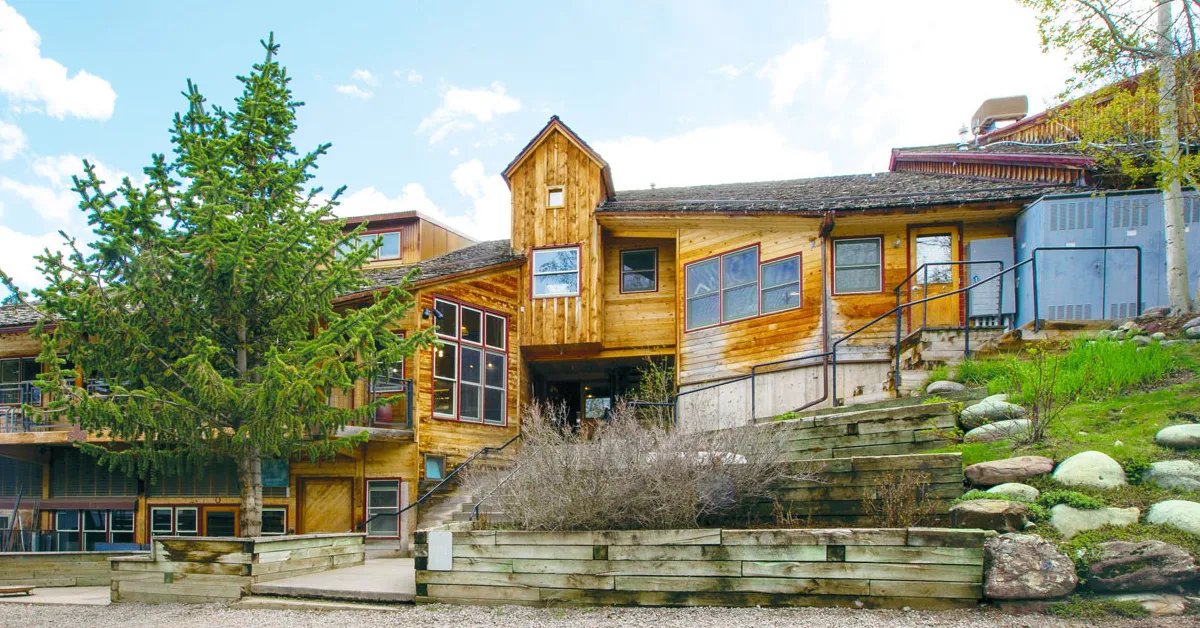
Anderson Ranch sits at 8,200 feet in the Roaring Fork Valley, about 15 minutes from Aspen. It has been running since the 1960s, and the facilities reflect decades of investment. The ceramics program alone has gas, electric, and wood-fired kilns. The printmaking studio has etching presses, lithography equipment, and letterpress capabilities. The woodworking shop is professional-grade. This is not a converted barn with a borrowed kiln. It is a proper workshop campus.
What It Actually Costs
Let us clear up the biggest misconception: this residency is not free. Housing and meals are covered, yes, but residents pay a participation fee. Fall residents pay $1,500 for the 10-week session. Spring residents pay $750 for the 5-week session. There is also a $100 studio fee on top of either option. The $30 application fee is non-refundable.
That said, a select group of residencies are fully funded fellowships awarded by the jury panel. If you receive one of these, your fees are waived entirely. The ranch also offers a Parent Artist residency during Spring Session 2, where you can come for 2 to 5 weeks at $200 per week, a flexible option for artists with caregiving responsibilities.
Compare this to Skowhegan School of Painting and Sculpture, which charges around $4,000 for its 9-week program (though scholarships are available), or the MacDowell Colony, which is fully funded but far harder to get into. Anderson Ranch sits in a middle ground: not free, but not prohibitively expensive, and the facilities are arguably better than either for artists working in ceramics, woodworking, or printmaking.
Two Sessions, Two Very Different Experiences
The Fall Residency (10 Weeks)
Fall runs from early October to mid-December. For the 2026 cycle, dates are October 7 to December 16, 2026. This is the longer, more immersive option. Ten weeks gives you enough time to start a new body of work, fail at it, pivot, and produce something real. The cohort is larger, which means more cross-disciplinary conversation but also more competition for shared equipment.
The fall session coincides with the Colorado autumn, when the aspens turn gold. It is genuinely stunning, and if you have never seen the Rocky Mountains in October, the visual input alone is worth the trip. But remember: at 8,200 feet, October nights drop below freezing. Pack accordingly.
The Spring Residency (5 Weeks, Two Sessions)
Spring offers two 5-week sessions. For the 2026/2027 cycle: Session I runs February 3 to March 10, 2027, and Session II runs March 17 to April 21, 2027. The spring cohort is smaller, typically 10 to 15 artists, which means more individual attention from visiting critics and a tighter peer group. Five weeks is enough for focused project work but not enough for a full pivot into unfamiliar territory.
Spring in Snowmass means snow. Lots of it. The ski resort is still operating, which means the town is lively but also expensive if you want to eat out or buy supplies. The trade-off is that the quiet of a snowy mountain town can be exactly what you need for deep studio focus.
The Facilities: What Makes Anderson Ranch Worth It
This is where Anderson Ranch separates itself from most residencies in the United States. The facility list reads like a well-funded university art department:
- Ceramics: Multiple kilns (gas, electric, wood-fired), pottery wheels, slab rollers, dedicated hand-building and glazing spaces
- Painting and drawing: Large windows, high ceilings, ample wall space for large-scale work
- Sculpture: Metalworking equipment, welding stations, fully equipped woodworking shop
- Photography: Traditional darkroom plus digital workstations
- Printmaking: Etching presses, lithography, screen printing, letterpress
- Digital fabrication: 3D printers, laser cutters, design software
- Furniture design and woodworking: Professional-grade tools for both rough construction and fine work
If your practice is strictly digital or conceptual, this breadth may not matter to you. But if you work in ceramics, printmaking, or sculpture, these facilities are the primary reason to apply. The Center for Contemporary Printmaking residency offers specialized printmaking facilities, but Anderson Ranch gives you access to printmaking alongside seven other disciplines under one roof.
The Community: Not a Solitary Retreat
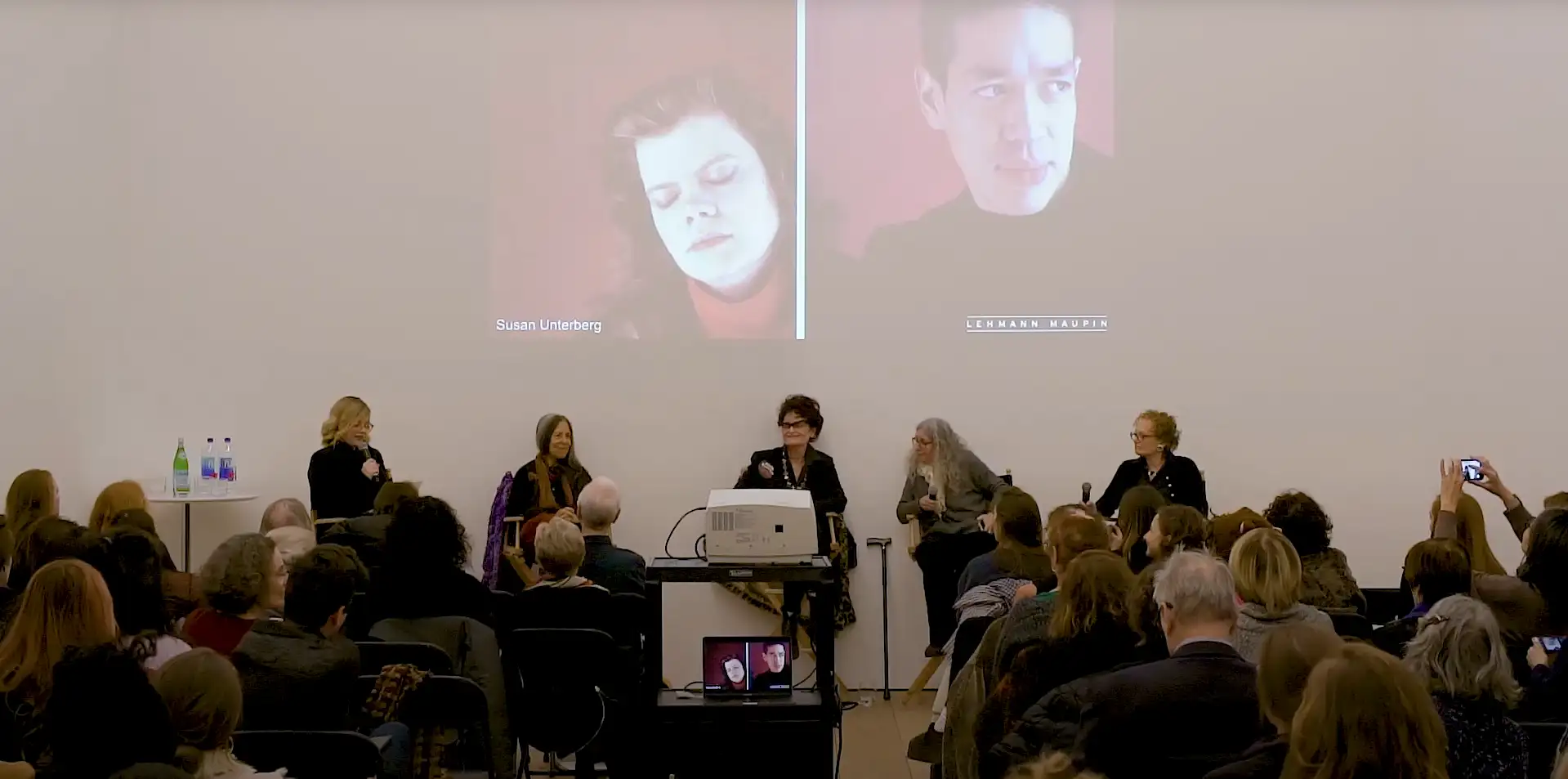
Anderson Ranch is explicitly not a quiet, isolated residency. It is a community-centered program with structured visiting artist critiques, group critiques, artist talks, and career development workshops. If you want to be left alone in a cabin for five weeks, look elsewhere. If you want feedback from working critics and curators, this is a strength.
The visiting artist program brings in prominent critics, curators, and artists for studio visits. These are not casual drop-ins. They are scheduled, structured conversations with people who can offer real feedback and, potentially, professional connections. The ranch also organizes gallery visits to Colorado institutions and the Aspen art scene, which includes the Aspen Art Museum, a significant contemporary art institution for a town of 6,500 people.
Insider Tips for Applicants
- You must be 21 or older. No exceptions.
- Applications open December 15 and close February 18. This is not a rolling deadline. Mark your calendar.
- Submit 10 images of work from the past three years. Images up to 5MB each, video up to 250MB. Do not include external links or multi-page PDFs as single samples.
- Three references are required, but not letters of recommendation. You provide contact info, and the ranch contacts them if you are shortlisted.
- The statement of purpose matters. Be specific about what you want to accomplish with the time, space, and facilities. Vague statements get rejected.
- Apply for a fellowship if you need financial support. The jury awards fully funded fellowships to a select group. Indicate your need clearly.
- Altitude sickness is real. Give yourself two days to acclimate before expecting peak studio productivity. Drink water constantly.
How to Apply
Applications are submitted through SlideRoom. The $30 fee is paid by credit card or PayPal at submission. You will need a resume/CV, a short bio, a statement of purpose, 10 work samples, and three references with contact information.
The selection committee evaluates based on artistic merit, the clarity and ambition of your proposed project, your potential to contribute to the residency community, and the fit between your needs and the ranch's facilities. Both emerging and established artists are welcome.
Final Verdict: Who Is This Actually For?
Anderson Ranch is for artists who need physical facilities more than they need solitude. If you are a ceramicist who needs access to a wood-fired kiln, a printmaker who wants etching and lithography presses in the same building, or a sculptor who needs welding and woodworking equipment, this residency makes financial sense even with the fees. The 10-week fall session at $1,500 plus $100 studio fee works out to roughly $160 per week for housing, meals, and world-class studio access. That is genuinely good value.
It is not for artists who need a completely quiet, isolated retreat. The community structure is built into the program, and if you find group critiques exhausting rather than energizing, you will feel interrupted rather than supported.
It is also not for digital-only or purely conceptual artists. The facilities are the selling point, and if you do not need kilns, presses, or welding equipment, there are cheaper and quieter options. Look at the Hambidge Center residency in Georgia for a more solitary experience, or the Wave Hill Winter Workspace if you want something shorter and urban-adjacent.
For artists who want serious facilities, structured professional feedback, and can handle a mountain town at 8,200 feet, Anderson Ranch is one of the best residency values in the United States. Apply between December 15 and February 18, and be specific about what you will do with the studios.